Subscribe via:



Show Summary
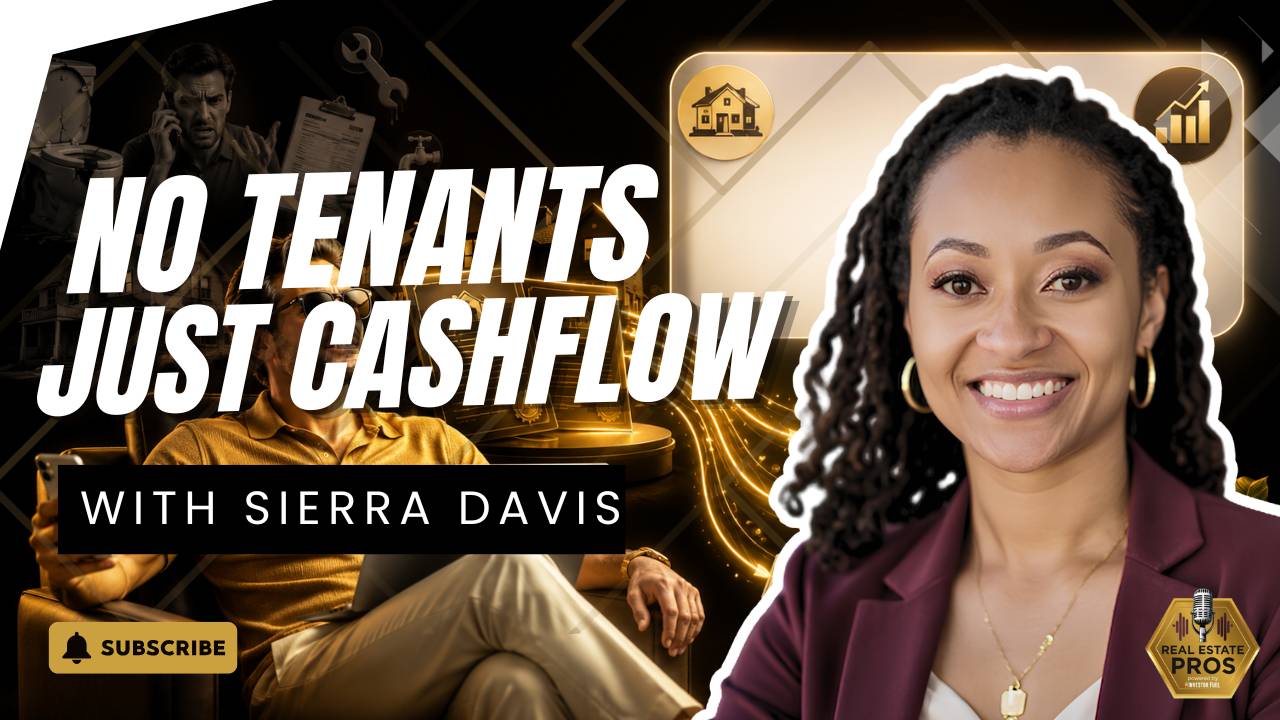
In this episode, Sierra Davis, a seasoned real estate note investor, shares insights into the world of mortgage notes, how to get started, and the future of this passive income strategy. Discover how to build wealth without tenants or repairs and learn practical tips for entering the note space.

Resources and Links from this show:
Listen to the Audio Version of this Episode
Investor Fuel Show Transcript:
Sierra Davis (00:00)
Yeah, I definitely am excited ⁓ more about just the increase of, you know, seller financing and being able to do that correctly. And so very excited about seeing all the different resources that might have not been there previously ⁓ as I was getting started. So there’s a lot of ⁓ new resources out there, a lot of marketplaces out there that are getting even more robust with AI and technology. So I’m really excited about how people are.
you know, are using AI now and getting some of that education to help, you know, whether, you know, help people that are getting new or who have been in this space and looking to scale. So I think it’s an exciting opportunity to get into right now,
Michelle Kesil (02:17)
everybody, welcome to the Real Estate Pros podcast. I’m your host, Michelle Kesil, and today I’m joined by someone I’m looking forward to chatting with, Sierra Davis, who is a loan officer focusing on mortgage loan notes. So excited to have you here today, Sierra.
Sierra Davis (02:34)
Hi, it’s good to be here.
Michelle Kesil (02:36)
Okay, great, let’s dive in. So first off, for those not familiar with you and your world, can you share about your main focuses?
Sierra Davis (02:44)
Yeah, so ⁓ my name is Ciara Davis and I am a real estate note investor and I’m out of Kansas City, Missouri and I help people build wealth by acquiring performing real estate notes so they can earn passive income from real estate without tenants, repairs or landlords headaches. And ⁓ I’m based in primarily across the country buying these assets. And so really excited to kind of share what that’s all about.
Michelle Kesil (03:10)
Awesome. And for those who may not be familiar with this process of notes, can you explain more about what that is and how it works?
Sierra Davis (03:21)
Absolutely. So generally most people know what this is, but they’ve probably been on the other side of this. so 99 % of people probably have never heard that you can actually acquire these mortgage notes. And so what a mortgage note is, is basically a promise to pay. And so essentially it’s a promissory note that is tied to an asset. And that asset that I like to focus on is real estate property. And so if you’ve bought a property or, you know, a home,
you’ve basically sat at the closing table and you’ve signed two documents and one is a promissory note and the other is probably a security instrument, whether it’s a mortgage or a deed of trust. And so those two documents ⁓ basically kind of outline your payments. So if you don’t necessarily buy cash for a property, you’re gonna get financing from the bank. And so the bank lends you money and say you have a promise to pay that money, whether it’s over 15 years, 30 years, commercial seven years, five years.
whatever that is and so those notes and those promises to pay can be assigned to other investors and so instead of the bank holding these particular notes for a long time they can actually sell these notes into the secondary market and so ⁓ investors like myself will buy these notes to collect monthly income and be able to ⁓ have real estate backed income without having to like I said worry about tenants repairs or
maintenance and if you think about traditional way of buying property, right, you go to Chase and Chase ⁓ doesn’t fix your toilet. Chase doesn’t really care much about, you know, what color your cabinets are. They’re focused on collecting that monthly payment that you agreed on. And so instead of being, you know, in the driver’s seat of, you know, a rental or a fix and flip.
Becoming the bank is a fascinating way to collect cash flow and so being able to do that really well and I’ve been doing it for seven years and so if you kind of think about all of this like you said like most people have been on the other side but if you put on your lenders hat you kind of think of through just like a bank and you collect those payments and You you know necessarily don’t have to worry about that property
Michelle Kesil (06:31)
Yeah, amazing. And so how does one start the process of finding these notes or knowing where to get started?
Sierra Davis (06:41)
Absolutely. So I think for the listener who’s just heard me say, you know, there’s these notes out available, the bank is selling those. The first thing I would do is in educating and get educated on what the asset is. And so get familiar with the paperwork and things like that to get started on kind of finding those notes. And so there are two avenues that you can do.
One is performing and the other is not performing. so not performing notes are essentially where a borrower is either delinquent 90 or 90 days or more. And these can be bought on the secondary market, either from the banks directly or from other investors like myself, where, know, ⁓ they come in all different types, whether they’re first position or second position. But they typically are sold at a discount. And with the performing notes, ⁓
Those are notes that have monthly payments recurring, the borrower’s been paying on time, they are not late or anything, and those can also be bought and sold from either banks or investors. so ⁓ the first thing I would say is recommend anyone to get educated on the asset, and then there’s notes all around you if you actually kind of look through them.
We all kind of know real estate investors and so going to meetups, there’s a lot of investors who are doing seller financing. And so ⁓ in recent years, there have been like 90,000 transactions and more are coming through like some of the things that were happening within tightening regulations and things like that. know, investors at these meetups ⁓ do have these seller finance notes that they may be looking to get cash for now.
instead of waiting 30 years for all of those payments to occur. So I think the first step is to get educated and the second step is to kind of look around, ask questions and see if you can find investors within your local REIA or meetups that do have seller finance notes that they’re looking to get cash for now.
Michelle Kesil (09:00)
Yeah, and how did you get started on this journey?
Sierra Davis (09:05)
Yeah, so I got started back in late 2017. I really wanted to find a way to increase my income. And so I had a bunch of student loan debt. I got my MBA and my bachelor’s and had a really steady job. But I was kind of thinking through, like, how do I pay this off faster? And I’ve researched a number of different ways and kind of got down the path of real estate. And so I found fix and flips, rentals.
as well as Airbnb was just coming up at the time. And I found this little book about mortgage notes and it attracted me a lot because I was able to get mailbox money without having to fix the property. And so I bought my first note early that year and kind of got through the processes of learning and learning as I go by doing it. And so…
that allowed me to get that monthly income. so when I was paying a month, like $500 a month for student loans, I was able to add onto that and start paying that down faster.
And this particular method actually allowed me to pay off my student loan in full two years earlier than I was expected to. And so this gave me the ability to get that income and kind of.
lived the life that I wanted to as well, continue working. I was in data science and analytics and in the tech world. And so not having to hear anything about tennis or anything like that and repairs, super attractive to me and allowed me to kind of collect that monthly income on a reoccurring basis and do that. And so I’ve been doing that ever since.
Michelle Kesil (11:33)
Yeah, in what have been some of the biggest obstacles or challenges that you’ve had to learn or overcome through this.
Sierra Davis (11:44)
Yeah, absolutely. So I think one of the biggest challenges is, you know, all of these different nodes, every borrower is different, every state, every county, every city is different. And so being able to kind of get into different areas of the country and see different things. And one of the things that ⁓ I, know, in the in the beginning was learning what to do when a borrower stops paying. And so this can like shock people and shocked me. And so.
when a borrower is paying good and then something happens, there are ways to mitigate those risks or think through those without having any panic. so I mentioned education in the beginning and learning about ways to work through those allows you to see things a little very differently. so instead of freaking out, I think it was the ability to say, OK, what?
should I do and what are my options? And looking through all the options that I did have, ⁓ I was able to kind of go through a process of getting a property back, reselling it, and then making a new note where then I was able to kind of get that steady income. And so the ability to know your options ⁓ when things get tough, you might not know what to do right off the bat, but that’s why it’s very… ⁓
good to have education as well as mentors that kind of help you through those because you know every note is different every bar is different in state and city are all different and so learning those laws learning those rules and be able to kind of apply those when necessary I think that that’s a thing that ⁓ gets lost but I think it’s very very important.
Michelle Kesil (13:33)
Yeah, absolutely. And are there different regulations state to state or are things pretty much standard?
Sierra Davis (13:47)
Yeah, so there are different regulations. I would kind of think of a regulation as a non-judicial versus judicial states, meaning that some states ⁓ with their notes, have to go through, if there’s a foreclosure, if the borrower stops paying, ⁓ they have to go through the court process. And so that’s a judicial state. And so when you’re working through a judicial state, it might take several months and up to several years to kind of get through and mitigate those and resolve.
versus a non-judicial state that might have ⁓ a quicker process that doesn’t not necessarily have to go ⁓ through the court process, but more of a trustee. And so those become very attractive to those who are looking for those quicker exits if something does happen. so there’s, like I said, there’s different, those types of different regulations. And then as far as the city, there’s different lean, you know,
types and things like that that might affect your position. And so being aware of those different laws and regulations are very important. And I don’t think that, you know, it gets lost that, you know, make sure that you know those before you invest ⁓ in those cities and counties, because I think if you don’t, you basically kind of like screw. And I’ve had the ⁓ learning experience when I had to ⁓ do certain things because, ⁓
I didn’t know all of the city laws and regulations and what I thought was going to be a really good ⁓ investment turned out to not be good. ⁓ I think having the ability to know upfront before ⁓ purchase is really, important.
Michelle Kesil (16:08)
Yeah, definitely. And what are you most focused on solving or scaling to next?
Sierra Davis (16:18)
Yeah, I think that’s a really great question. as far as like solving, making sure that, you know, always kind of think through those win, win, win situations. And so the whole idea of, you know, getting into this was to kind of win with my family. And so I’m a mother, I’m a wife and being able to kind of get into ⁓ spending more time with them. And so all I need is my MacBook and my phone. And so I’m able to spend time with them. And so.
That’s one problem I’m solving is getting that increased cash flow to do the things that I enjoy doing. And then working with investors, like I said, 99 % of people probably have never heard of this asset. so being able to kind of educate them on diversification, this alternative investment strategy that’s not tied to the stock market or anything of like insurance or taxes that might affect rental properties cash flowing.
sharing that knowledge and allowing them to kind of see how they might have opportunities to invest for themselves or partner with us. And then the last is working with a borrower, making sure that they win as well. I think for me, one of the things that I do feel passionate about is being able to have a borrower have equity in their home. And so I always kind of tell a story where I had, know,
got a property subject to and I sold that on seller financing. And if I would have kept that property and rented it out to a single mother, she would have probably just kind of continued to make those rent payments. But instead, over the years, she actually gained like over, you know, $150,000 in equity because she was able to buy this property as a seller finance transaction and she was able to.
build equity in our home. And now she has something that if she sold it, she would make a lot of money for that or borrow against it, whatever she can do. so being able to work with borrowers, investors, and be able to enjoy my family while scaling is really important.
Michelle Kesil (18:32)
Yeah, absolutely, it’s important to have that bigger picture, why?
And so what advice would you give to someone that’s wanting to learn more and get involved into the note space?
Sierra Davis (18:48)
Yeah, I think for anyone who’s interested, think the first thing to do is get educated on the asset. so I have a free educational email course, wealthwithnotes.com. That is a very good introduction to what that looks like from all aspects, whether that is doing seller financing, if you’re interested in more of that active process and then creating those notes, or if you’re…
don’t have a lot of capital, you can refer ⁓ those that are selling their notes to buyers. so collecting a fee for those referrals, you could make an average of $1,000 a month doing that every time. ⁓ And then buying these notes as well, having to understand some of those dynamics and the different ways this space is done.
Educating yourself on that. I think that’s one of the things that I would say to anybody who’s wanting to get started and You know always you kind of like raise your hand and you know so learning experiencing Like I said, there’s people around you that might have you know done this before That you might not know because it’s a definitely a quiet You know, you know the note space is quiet and a lot of people are into it But they don’t really talk about it as much and so they might you know have notes in
They just don’t know it. so being able to get educated and communicate with others, I think that’s one of the things that I would recommend for anyone who’s interested in getting started.
Michelle Kesil (20:26)
Yeah, amazing. And what is something that you’re looking forward to or any opportunities that you’re excited about within this space?
Sierra Davis (20:37)
Yeah, I definitely am
excited ⁓ more about just the increase of, you know, seller financing and being able to do that correctly. And so very excited about seeing all the different resources that might have not been there previously ⁓ as I was getting started. So there’s a lot of ⁓ new resources out there, a lot of marketplaces out there that are getting even more robust with AI and technology. So I’m really excited about how people are.
you know, are using AI now and getting some of that education to help, you know, whether, you know, help people that are getting new or who have been in this space and looking to scale. So I think it’s an exciting opportunity to get into right now,
⁓ especially with like the, you know, things that we’re seeing the, you know, the note space ⁓ as we see it now is cash flowing two times more than the rental properties that we’re seeing. And so being able to ⁓
use that technology to see the different aspects and underwriting is really, really ⁓ exciting. Within the note space, there’s a lot of paperwork and there’s a lot of numbers and spreadsheets. And so using AI has really improved my workflow and others workflows.
Michelle Kesil (21:58)
Thank you for sharing all of that. Well, before we begin to wrap up here, if anyone wants to reach out, connect, or learn more, where can people find you?
Sierra Davis (22:10)
Yeah, so people can find me @SierraDavisOfficial on all social media platforms, as well as I offer a free educational email course at wealthwithnotes.com where they can sign up and get free education about the note space and email me and let me know what you think and if you have any questions as you’re going through that course.
Michelle Kesil (22:30)
Perfect, we’ll appreciate your time and your story. Thank you for being here.
Sierra Davis (22:32)
Thank you.
Michelle Kesil (22:35)
And for the listeners tuning in, if you got value, make sure you have subscribed. We have more conversations with operators like Sierra who are building real businesses and we’ll see you all on the next episode.