Subscribe via:



Show Summary
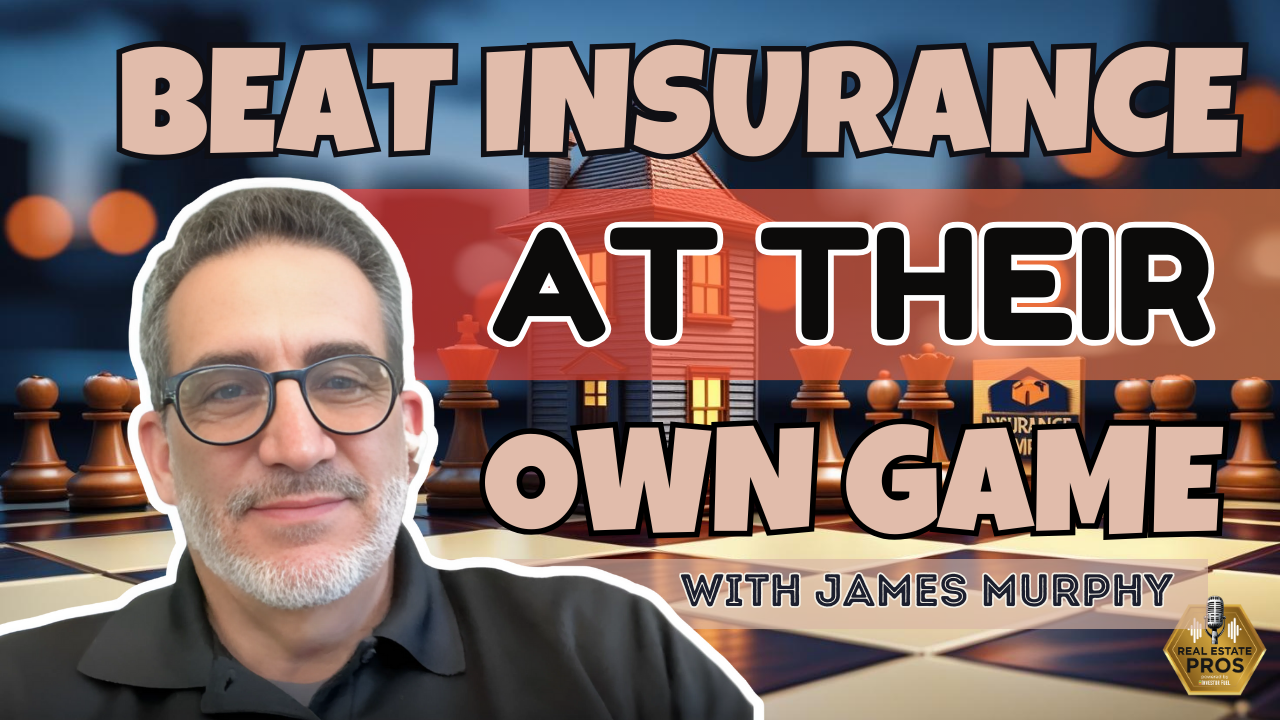
In this episode of the Real Estate Pro Show, host Erika interviews James Murphy, a public adjuster with extensive experience in the real estate sector. James shares his journey into public adjusting, emphasizing the importance of having an advocate during insurance claims. He discusses the services he provides, common challenges faced by property owners, and the complexities of insurance policies. James also highlights the significance of networking and building relationships within the real estate community, as well as addressing misconceptions about public adjusters. He concludes with his future goals of expanding his services across different states and the importance of having a public adjuster as part of a property owner’s team.

Resources and Links from this show:
-
-
- Investor Fuel Real Estate Mastermind
- Investor Machine Real Estate Lead Generation
- Mike on Facebook
- Mike on Instagram
- Mike on LinkedIn
- James Murphy’s Website
- James Murphy’s Email: [email protected]
- James Murphy’s Phone number: 305-401-6220
-
Listen to the Audio Version of this Episode
Investor Fuel Show Transcript:
Erika (00:00)
What would you say is a common challenge that you see when people are dealing with insurance claims and how do you help them overcome it?
James Murphy (00:07)
Well, the first thing I would give cautionary tale is do not do failure to maintain that property. Those big parts of the property, the roof, the plumbing, the electrical, keep your property up to speed, up to shape, because you can’t ask for a carrier to give you coverage for a hurricane loss when your roof is 25, 30 years old. And you can tell it’s had a lot of wear and tear. It’s going to be a very difficult thing to demonstrate to the insurance company. This new storm.
cause this old roof to fall apart or come apart and have major damages. So, you know, we’re going to be guiding those property owners way in advance. Proper documentation. Make sure you get your adjuster out there or you as the property owner, when your tenant says something happened and had a small kitchen fire, get out there immediately. Make sure you call the fire department. Get photos the moment you get out there because you, the property owner, are going to be the strongest advocate for your property.
Take a lot of photos. You can never take too many photos, only too little.
Erika (02:37)
everyone, welcome to the Real Estate Pro Show. I’m your host, Erika, and today I’m excited to be joined by James Murphy, a public adjuster who’s been making a big impact in the real estate world. James, it’s awesome to have you on the show.
James Murphy (02:52)
Thank you for having me.
Erika (02:53)
So let’s jump on in, James. For those who aren’t familiar with your world, give us the rundown. How did you get started in real estate and what made you become a public adjuster?
James Murphy (03:05)
Well, I grew up in real estate because my mother’s been in real estate since, God, for 25 something years. And I did hold a real estate license for a while. And then I got into the public adjusting world because I had a loss myself in my home. And it was a hurricane loss. And when we initially called up the insurance company, I didn’t know up or down. I didn’t know what to do. I didn’t know what I was supposed to do. And the adjuster came in and kind of guided me through the process.
made great friendship with my adjuster because we worked together very much intimately, which is what you should do with your public adjuster and understood the business. And I was kind of drawn to it because they are advocates like your attorney advocates for you in court or in cases or negotiations and adjuster advocates for you when you have a loss in your property to bring all the parties together to try to get a good negotiation to get that property owner residential commercial back to pre-loss condition.
What it looked like before the loss happened is what our goal is and to get as much money as possible from that policy or the rights that the homeowner has or the property owner has. And I like doing that. I like fighting on behalf of the insured.
Erika (04:14)
Yeah, absolutely. James, what’s your main focus these days as a public adjuster and what services do you provide to help real estate pros succeed?
James Murphy (04:25)
Gotcha. Well, good question. Well, the services I provide is kind of like the ABCs of public adjusting. I need to assess that property when the loss happens, as soon as they call me, get an idea of what the damages are. Letter B, as it were, would be, OK, develop an estimate, a thorough comprehensive estimate. If the property owner has their own contractor, find out what that contractor did. If it was their roofer, what was the cost of replacing that roof?
⁓ How long ago was that roof replaced so I can have the facts in front of me and then the C’s is Coverage’s that’s very important. Look at the policy. What are your rights? It’s what I call the Bible of adjusting It’s going to tell you what you have a right to get covered and what the carrier has excluded It is important for property owners, especially investors to look at that policy when you’re going to purchase it from the insurance company and then
contacting your adjuster that you have on your speed dial and say, hey, James Murphy, I’m looking at going with XYZ carrier, citizens, all state, state farm, whoever it may be. Here’s what they’re offering me in coverages. Let’s make sure you’re getting the proper coverages in it, making sure with an investment property, you have a right to recover from loss of rent, loss of income when that property is down and nobody can live in it because of a hurricane or a fire. You need an advocate before you need an advocate.
working with you as part of your team and they should be an integral part of your deep bench that you have as an investor for when things happen because we go to work when something goes wrong at that property.
Erika (06:48)
Yeah, yeah, absolutely. And as a public adjuster, James, you’re in a unique position to help people protect their investments.
would you say is a common challenge that you see when people are dealing with insurance claims and how do you help them overcome it?
James Murphy (07:04)
Well, the first thing I would give cautionary tale is do not do failure to maintain that property. Those big parts of the property, the roof, the plumbing, the electrical, keep your property up to speed, up to shape, because you can’t ask for a carrier to give you coverage for a hurricane loss when your roof is 25, 30 years old. And you can tell it’s had a lot of wear and tear. It’s going to be a very difficult thing to demonstrate to the insurance company. This new storm.
cause this old roof to fall apart or come apart and have major damages. So, you know, we’re going to be guiding those property owners way in advance. Proper documentation. Make sure you get your adjuster out there or you as the property owner, when your tenant says something happened and had a small kitchen fire, get out there immediately. Make sure you call the fire department. Get photos the moment you get out there because you, the property owner, are going to be the strongest advocate for your property.
Take a lot of photos. You can never take too many photos, only too little.
And then get your policy over to your adjuster right away. And with their help and support, call in that claim immediately. Do not sit on that claim. Don’t wait a month to turn it in. Get going right away. Get your adjuster to prepare what needs to be done. And then be there with the insurance company to make sure they see all the damages and nothing’s missed.
Sometimes a lot of property owners may say, well, I’ll call the insurance company first. Let’s see what they have to say and then I’ll call an adjuster if I need it. But understand, if you don’t know this business and you don’t know your rights and that coverage and your adjuster does, how are you going to protect yourself? I equate it to going into court without an attorney to represent you on a criminal case. Would you do that? Absolutely not, because it’s not what you do every day. It’s the same thing with our industry. Get yourself a good, knowledgeable adjuster.
who’s well-trained, who’s connected in this community. Like I’m a member of FAPIA, the Florida Association of Public Insurance Adjusters. We hold ourselves to a higher standard of continuing education and proper training and ethical process of moving these claims forward. Work with those people. That’s what you need, again, in your deeper bench.
Erika (09:11)
Yeah, absolutely. you know, those those insurance policies can be so complex too. How do you simplify that so clients can, you know, just focus on their deals?
James Murphy (09:57)
Well, if you ever have a hard time going to sleep, take your 90 pages of your policy and read it. Within five minutes, you’re out like a light. It’s really tedious and boring. But once you’ve done it enough and you have to refer to that policy all the time, like I do, we’re going on almost 18 years now, you know where to look for the information you need to seek. What is included in the loss for coverages and what’s an exclusion?
And there’s a lot of exclusions in those last 10, 15 pages that say, we will not pay for this, we will not pay for that. But there’s subtleties to it. So you better know what you’re doing and you better know what you’re reading. And I go to experts that are more knowledgeable than myself if I don’t have the answer, because I don’t have all the answers. But I know the right people that’s part of my bench that I go to to say, hey, I got a question about this policy. Will it cover this particular loss with this particular fire or this particular incident?
Because we want to submit a claim that makes sense. If it’s not covered, why would you submit it to the carrier in the first place?
Erika (10:57)
Yeah, totally. James, I’m sure you know, every pro has a moment where things get intense. Maybe it’s a claim that went sideways for a client or, you know, they were in a tough spot. Can you share a moment like that and how you handled it?
James Murphy (11:12)
Well, there’s going to be that in almost every case where there’s going to be a tough spot because there’s a lot of decision making that you need to do when the carrier is either rejecting the loss and says, here’s a denial. What’s the next step? You have to try to help that client and advocate with the client ⁓ is getting legal representation, the right thing at that moment. More than likely it is, you know,
helping that client making those right choices with their, you know, with the, with the council, they’re going to select and know how to answer, ask those questions that they need to know. In terms of cases going south, it’s really more of the pressure cooker when the case is going into litigation and making sure that the homeowner understands the process and is well prepared and well versed in what happened in their case, because there’s a lot of negotiations that are going on behind the scenes and it can quickly turn bad real fast. If the homeowner
didn’t remember everything related to the case. know, most homeowners don’t remember when they put in the roof unless they go back and look at it. And they may say it’s five years ago and it’s 20 years ago. That can impact the loss tremendously. cause the carriers are going to know this. They’re going to go to the municipality and look at when the permits were pulled. They’re going to do their research on that loss. they’re supposed to, and so are we. That’s why having an adjuster to kind of know that game of chess. What are the next six moves that are going to happen in your loss?
so that we don’t have the no moments. We have the aha, I knew you were gonna ask that question. Here’s the five answers before you even ask them.
Erika (12:38)
Yeah, yeah, absolutely. For our listeners who do not have a public adjuster, sounds like they should, what should they look for in someone who’s a good fit?
James Murphy (12:49)
Someone who’s affiliated in some organizations, whether it’s the National Association of Public Insurance Adjusters, Florida Association of Public Adjusters, if they hold multiple licenses, they better know what they’re doing because now you’ve got to know about the state requirements and you got to do your homework on it. So having somebody who’s been in that business for a while, having someone who’s great about answering the phone, that’s one of the worst things that adjusters can do is the client calls and not pick up the phone because this is very personal. This is personal for my business.
This is personal because it’s my home and having someone who’s going to be held accountable. Interview them, ask them for their CV. What’s your experience? What is your knowledge in high rise condos? Have you dealt with commercial losses before? Are you familiar with the process in a fire loss? What happens if I have a daily water claim? What are my rights? Ask the adjuster. You’re interviewing that adjuster to make sure they have knowledge and they understand the process. I’m the owner of my own company.
But I’ve worked with many great firms beforehand that I gained experience and knowledge to be able to be comfortable being the owner of the company and know what needs to be done. And in an ever-changing market, you better be looking at all the changes in the statutes. That’s one of the jobs that I have to do that we don’t get paid for, but it’s part of our responsibility. So we know in advance what’s going to be expected of us. Because if you miss a timeline, you can kill a claim very quickly.
Erika (14:08)
Yeah, wow, very true. For our listeners who are looking to level up, what’s been your approach to forming key partnerships with the real estate world? Was there a network or a group that made all the difference for you?
James Murphy (15:06)
⁓ I love networking groups because you get to meet a myriad of people, chambers of commerce, because you get to meet contractors, roofers. BNI, I’m a member of their international group of networking and they’re very beneficial because they get experts in your group to work with you. And it’s what they call category exclusive, one roofer, one adjuster, one contractor, one plumber, so that you start working with them in a better understanding their world. And then attending workshops.
I intend workshops on restoration, on roofing, construction, constantly update. We’re required to have continuing education credits as an adjuster. So that helps us in terms of ethics and knowledge base. I do that above and beyond. I need any workshops I can get to any educational workshops I can get from attorney’s firms on the changes in the, in the laws that’s going to help me to, be knowledgeable, listening to podcasts, like your excellent podcasts, getting that knowledge and then making those connections.
way in advance before they need me. Call your public adjuster and say, James, you think you know what you’re doing? OK, here’s a scenario that I ran across before. Here’s my policy. Tell me what I got that’s good or bad. And then they can kind of get a sense of that education and what we’ve been doing to build ourselves up to be very good at what we do. We have to be because the climate is rough out there with these policies.
Erika (16:27)
Yeah, yeah, totally. James, what would you say is a common misconception that people have about how you advocate or maybe it’s more just understanding their policy and how to navigate that claim?
James Murphy (16:41)
Sure, sure. Public adjusters have a bad rap. You know, we’ve been, you know, touted as the guys that go out there, the guys and gals that go out there and just want to submit a claim because we want to make money on your property. Or, you know, we are just showing up to kind of be, you know, here’s the damage, Vanna White, look at what’s going on. And then we never show up again. And we’re never advocating on behalf of the insurer. That’s far from the truth because we’re building an estimate. We’re developing
contacts with the insurance company finding out who the assigned desk examiner is on that property loss and then Hitting them with a campaign of letters and emails and follow-ups accountability making sure that the playing field is leveled that We’re gonna hold the insurance company just as accountable for what they’re supposed to be doing like they’re holding the homeowner accountable for Maintaining the property keeping the property in good condition submitting documents of damages what they’re claiming
which your adjuster is going to help with. And then doing that within the timelines that are required by the state and by the insurance company. Sometimes they’re very different. The timelines from the carrier can be lot sooner than what the state requires and you need to know about these things in advance. Read that policy and know what the rights of the homeowners are. And we’re happy to do that, especially if you’ve got an adjuster, which I would like to consider myself one, who has knowledge, who’s going to work hard for that homeowner to give them
that rights and get into level playing field and take that fight to the door of the insurance company and hold them accountable.
Erika (18:14)
Yeah. James, what do you see next on the horizon for you? Do you have a big goal or vision you’re scaling?
James Murphy (18:21)
Sure, getting licensed in a lot of the different states because there’s a lot of states where a lot of people don’t use public adjusters or don’t know about us and don’t know the benefit that we bring to the table. A lot of people think a lot of times that, well, why don’t I just hire an attorney? Believe it or not, attorneys love public adjusters because we do a lot of the footwork in advance and prepare that file the right way on the boots of the streets. We’re going out and doing the inspections.
We’re meeting with the estimators, we’re meeting with the contractors, gathering everything, making sure that we put all of that in a timeframe and then having that all labeled and ready to go in a system where we submit everything to the insurance company and turn that well-prepared file over to the attorney when the carrier refuses to negotiate so that they can do what they do best, which is take it to the next level, pre-suit or going in and filing suit on those cases.
to try to get that negotiation process moving forward.
Erika (19:18)
Yeah, that’s really exciting. James, are there any challenges when it comes to getting in each state? You got a strategy to tackle that?
James Murphy (19:27)
Well, the of Florida has some pretty strict and tough requirements. So we have a reciprocity with a lot of the different states in the U.S. You know, we have reciprocity with Georgia, North Carolina, South Carolina, and a lot of other states as well. They all have their subtleties in terms of what we can and cannot do as an adjuster or what our public adjusting contract says because we get into a contract with our insured to represent them.
And then just so everybody knows, the public adjuster does not get paid in advance. We are on a contingency fee, which means unless and until a settlement is awarded, I get paid nothing until that client gets a net settlement from the insurance company. And we’re basing our fee on a percentage. And that’s highly regulated by the state. So you need to know about that and be prepared for it.
Erika (20:12)
Yeah, yeah, absolutely. James, I know that, you know, this whole industry, you’re very passionate about being a public adjuster. Before we go, can you share why an investor needs to have a close relationship with a public adjuster?
James Murphy (20:29)
almost the same reason why would they have a good relationship with a mortgage company? Because when that property is coming on the market quickly, they got to get ready to move on it and make that purchase, right? They got to put that bid in so they can get into that competition bidding war of being the person who’s going to buy that great deal on that property. it’s a similar relationship that you have with your adjuster. when that loss happens, you don’t want to be trying to figure out.
and interview a bunch of adjusters while your claim is sitting there and you’re losing money on a property that doesn’t have a renter because if they’ve got no roof or there’s been a fire in the kitchen and that kitchen is not functional, a good property owner is going to get that client over into a temporary housing. But what do do about this property? It’s just sitting there, not generating revenue to make sure it pays for itself and gives me growth in that property. That’s not the time to meet with your adjuster. Meet with them in advance. Get them as a part of your team. Get that deep bench.
way in advance. do this all the time with investors and I have great relationships with my investors that they know they can call me on a Sunday, we had a loss, I’m going out there because emergencies happen 24-7 and funny enough they like to happen when it comes to plumbing leaks on Saturday and Sunday nights, go figure. But we have to make ourselves available, that’s the accountability, we’re there to be that representative for them, that advocate, it goes with the territory.
Erika (21:45)
Yeah, which is, it’s awesome what you’re doing, James. Before we let you go, if someone wants to reach out, learn more about your services, or maybe they think they might need to deal with their insurance claim, what’s the best way to get in touch?
James Murphy (22:00)
Um,
you can contact me on my phone. It’s a 305-401-622. You can reach me at my email, which is jcm at Murphy M U R P H Y E T C echo Thomas Charlie, the word claims.com, or you can go to murphy etc claims.com website and reach us that way as well. Um, and then again, whether they work with me, which I would love.
because I’d love to work with folks in the state of Florida or work with another public adjuster who knows what they’re doing, who’ve got years of experience. You want to work with a public adjuster because we’re going to advocate. And we work very well with contractors and attorneys and roofers and plumbers because we work all in tandem for who? That property owner. That is the most important person in this process is the property owner. And as long as we stay focused on that, everybody’s going to be working together for the common goal of getting them to fix their property to get back to business.
Erika (22:56)
Yeah. Yeah. Wow, James, it’s clear doing things the right way and helping people protect their investments. Thank you so much for being on the show today.
James Murphy (23:05)
It was a pleasure and an honor and I look forward to hearing from some of your members. And again, ⁓ if it’s a state that I’m not licensed in that you need me to, that’ll be the next state that I get licensed in to start working on your behalf. I do it all the time. I had clients in Florida that bought North Carolina properties. And when Helene hit, I got licensed within less than a couple of months because they didn’t have an advocate up there. Same thing in South Carolina. We’re working on Georgia, Tennessee, Virginia, West Virginia. So if you’ve got a state and you need me.
I’m owning a plane away and a rental car away from me to help represent your interest and advocate on your behalf.
Erika (23:38)
Fantastic. I love your passion for this, James. For everyone tuning in, if you got value from this episode, make sure that you’re subscribed to the Real Estate Pro Show. We’ve got more conversations coming up with pros like James who are out there building incredible businesses. We’ll see you on the next episode.