
Become a memberFuel your business. Fuel your life.
A private community for professional real estate investors and service providers to level up their businesses and lives, with groups for those doing 10 to 1,000+ deals a year.

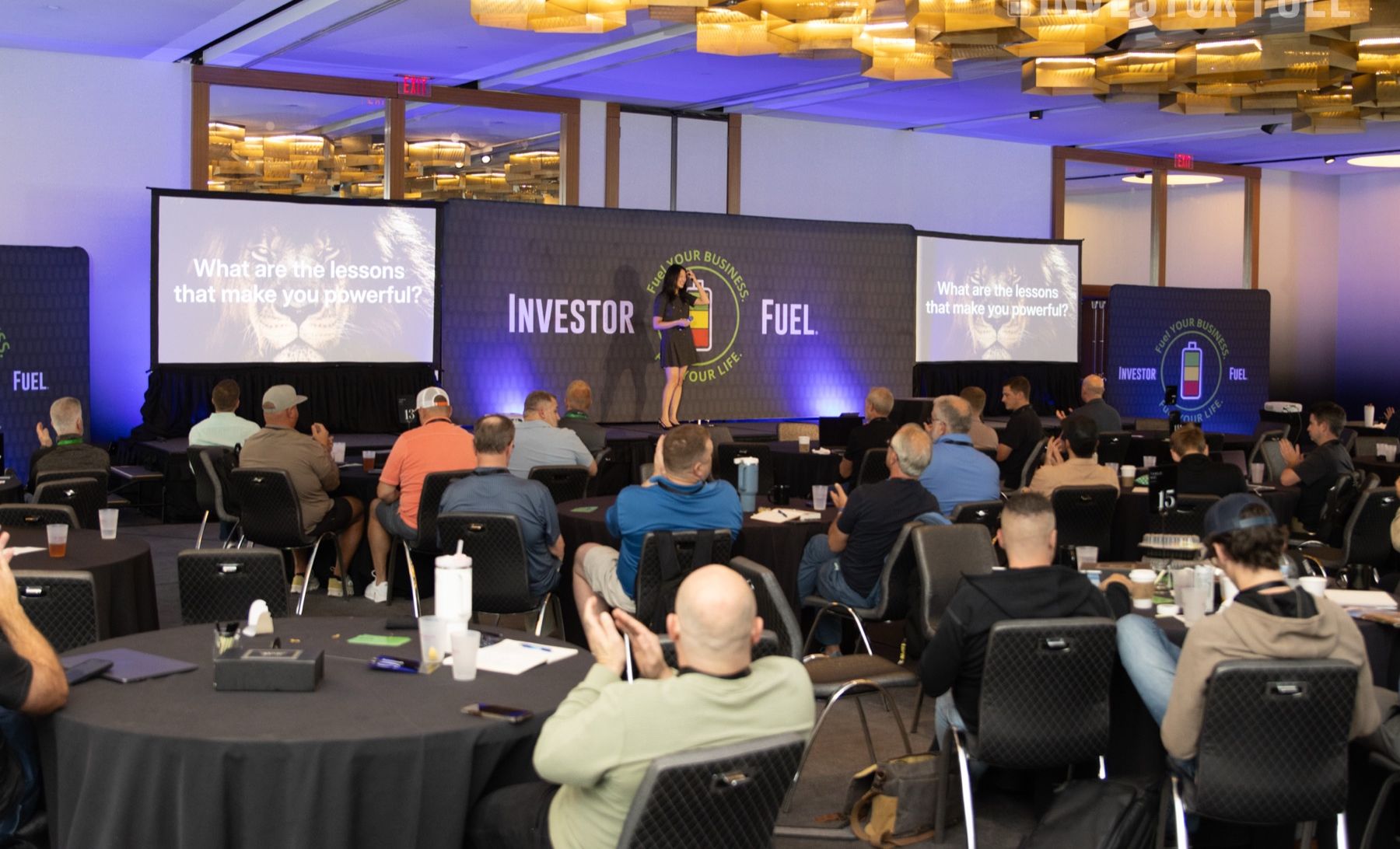
Quarterly Masterminds
4 times per yearMeet in person with your peers to recharge your batteries and solve problems.
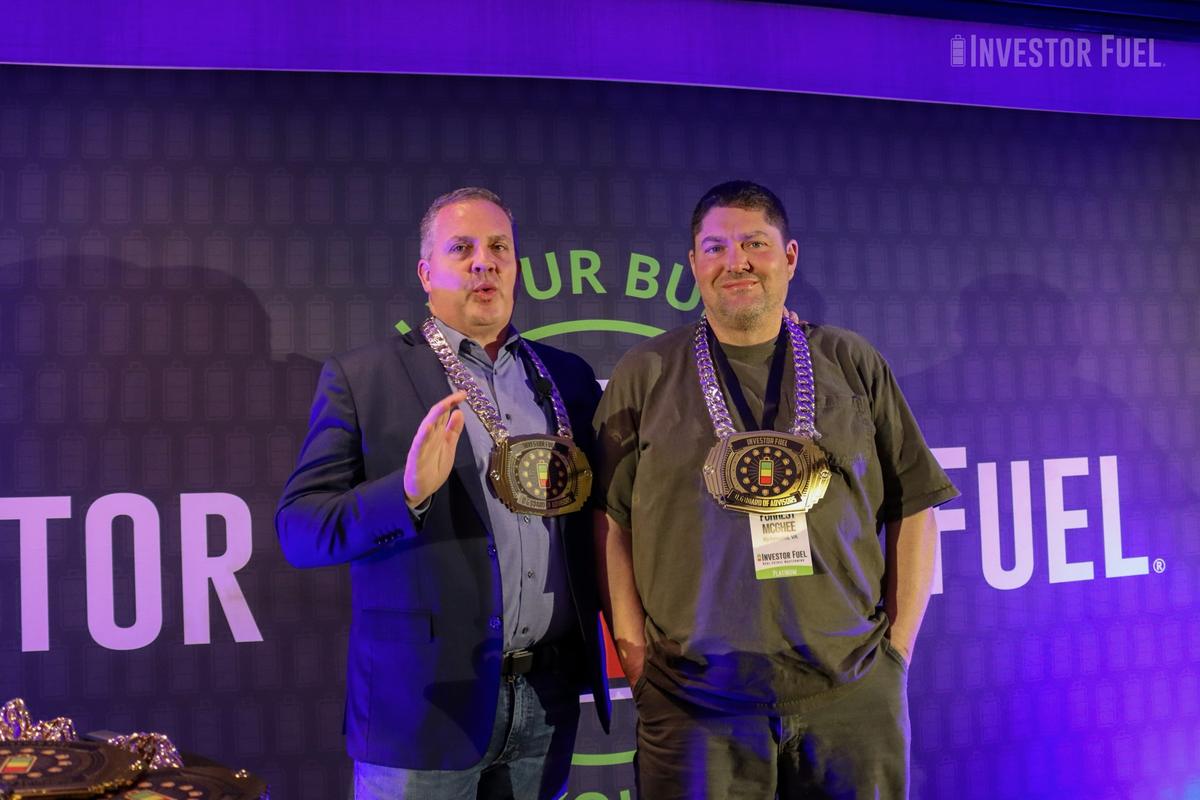
Monthly Board Meetings
Groups of 10 to 12Curated groups of your peers that meet online for accountability, problem solving and fellowship.
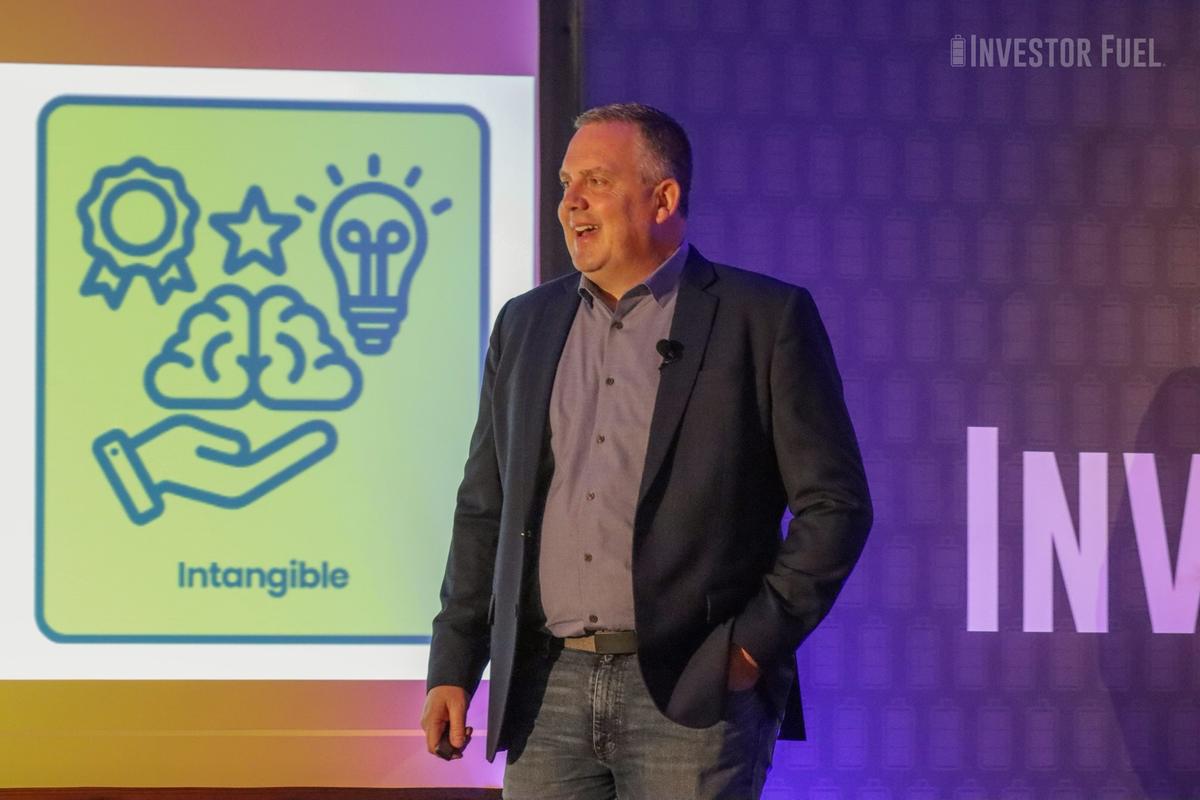
Executive Speaker Series
WeeklyStay on the cutting edge and learn what’s working now.
24/7 Community
24 / 7 / 365Stay connected to fellow members to get your questions answered and help others level up.
A room that’s built to support your goals
We’re all better together.
Peers at your level and above
Members are grouped by deal volume, so the person across the table is solving the same problems you are — or has already solved them and can help you.
Proprietary processes, proven in the room
We’ve created proprietary processes to help you move to the next level — whatever that means for you.
Lenders and sponsors who pay for the seat
We’ve curated the best lenders and sponsors to assist you — many of which will more than offset the entire cost of your membership.
What you get access to
- Quarterly In-Person Mastermind MeetingsFour a year, with your own hot seat in front of the group.
- Monthly Board of Directors MeetingsCurated groups of 10 to 12 of your peers that meet online for accountability, problem solving and fellowship.
- Weekly Executive Speaker SeriesLearn from those who’ve done it, see what’s working now and level up.
- Quarterly and Annual Planning SessionsUsing our proprietary Fuel OS operating system.
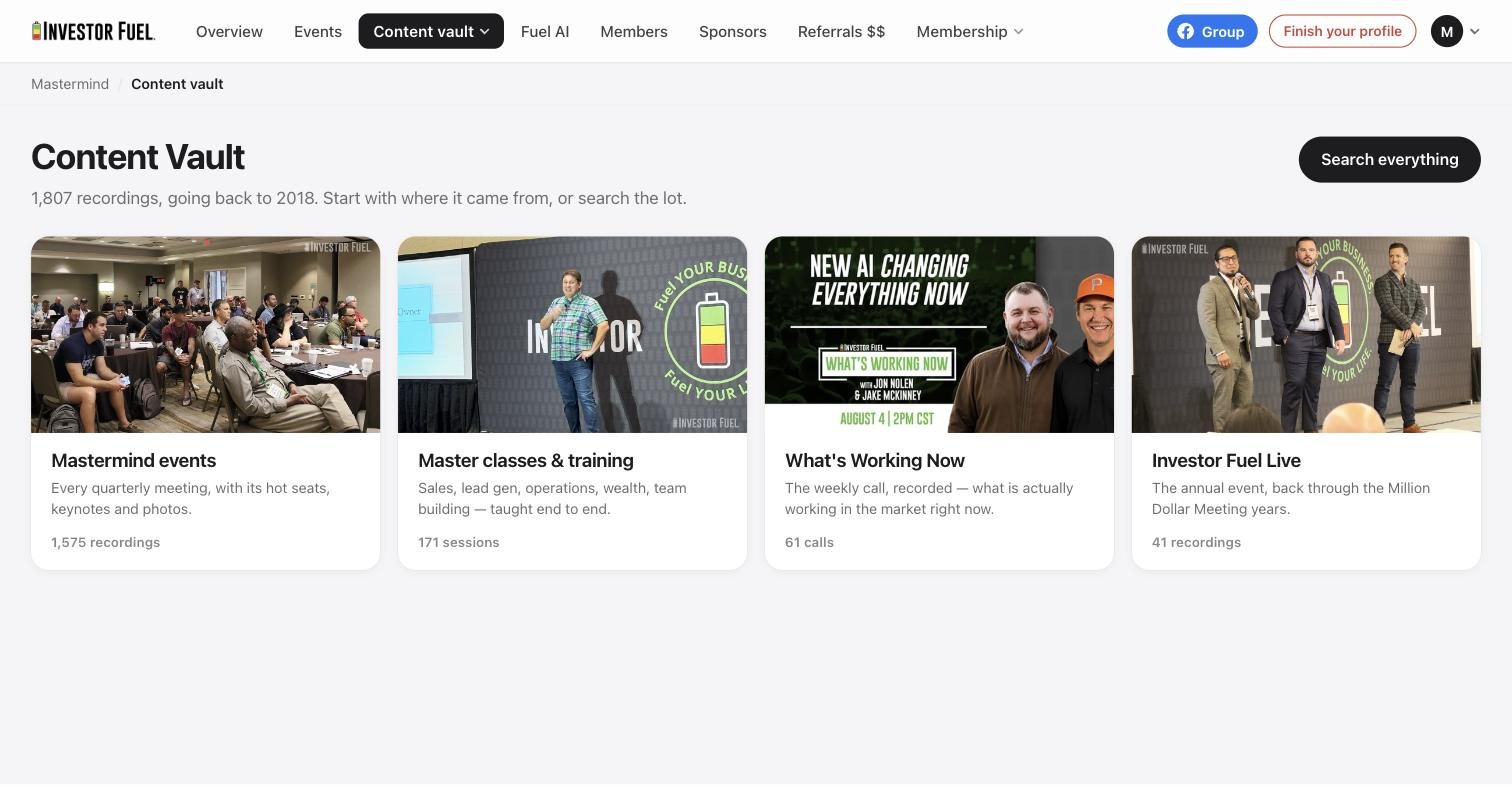
- Investor Fuel Member Portal and Vault24/7 access to our member directory and recordings of every hot seat, panel, keynote and online meeting we’ve ever had.
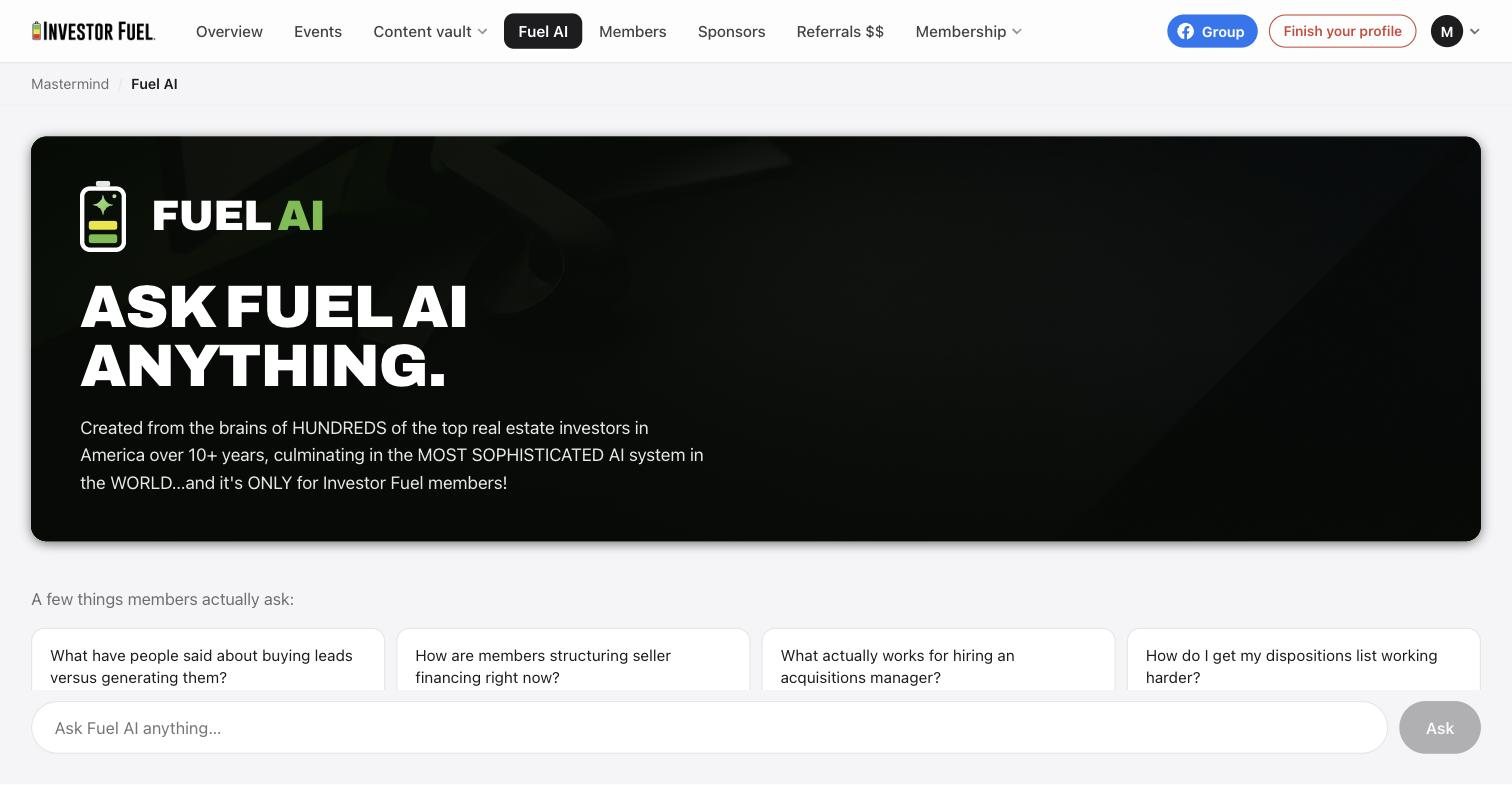
- Fuel AIOur proprietary AI knowledge base, built on the knowledge and brain of hundreds of the top real estate investors across America.
- Fuel RetreatsLife-changing, memory-making trips with fellow members — snowmobiles in Yellowstone, Oktoberfest in Munich, a boat in Cabo.
- Ranch RetreatsTwo and a half days, twice a year, at Mike Hambright’s ranch ninety minutes east of Dallas.
- Financing and Discounts100% financing and discounts that often save or pay you more than your entire membership.
- And Much MoreFuel OS, Fuel Health Share, Authority Builder social media, Home Depot Pro Xtra pricing and a network that trades deals, money and introductions all year.
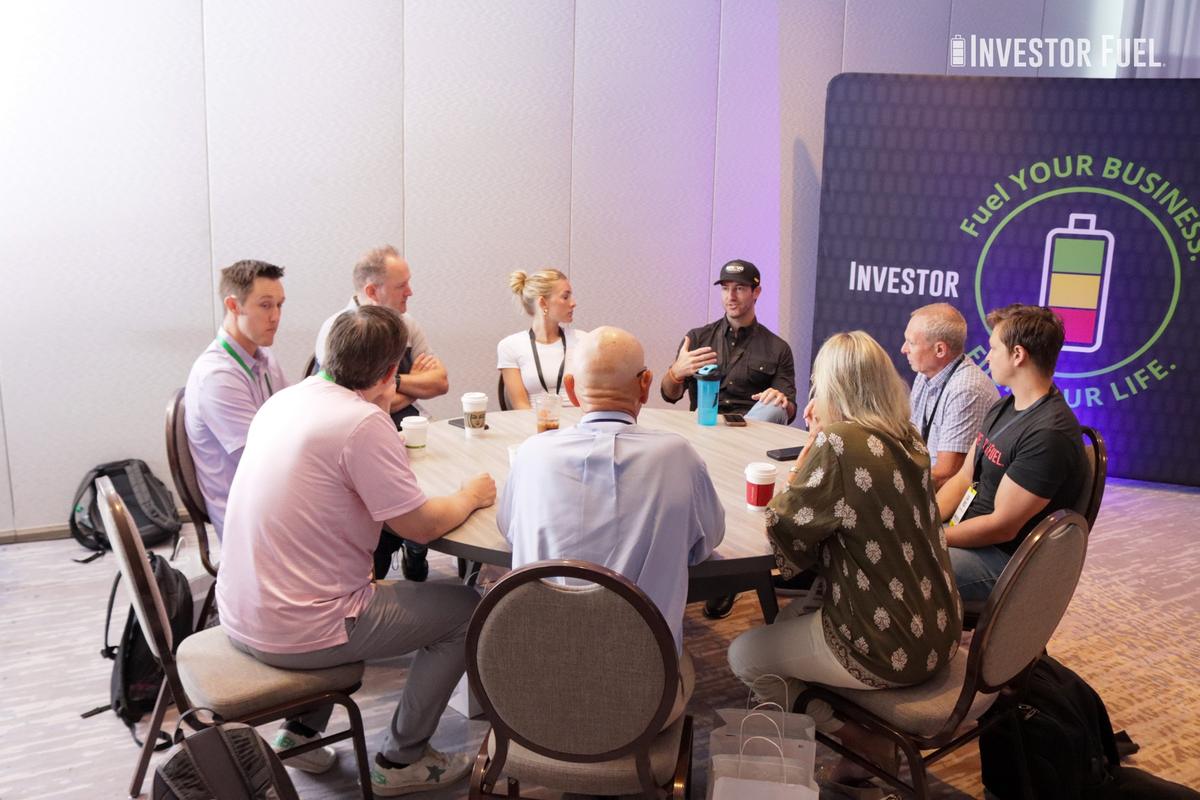
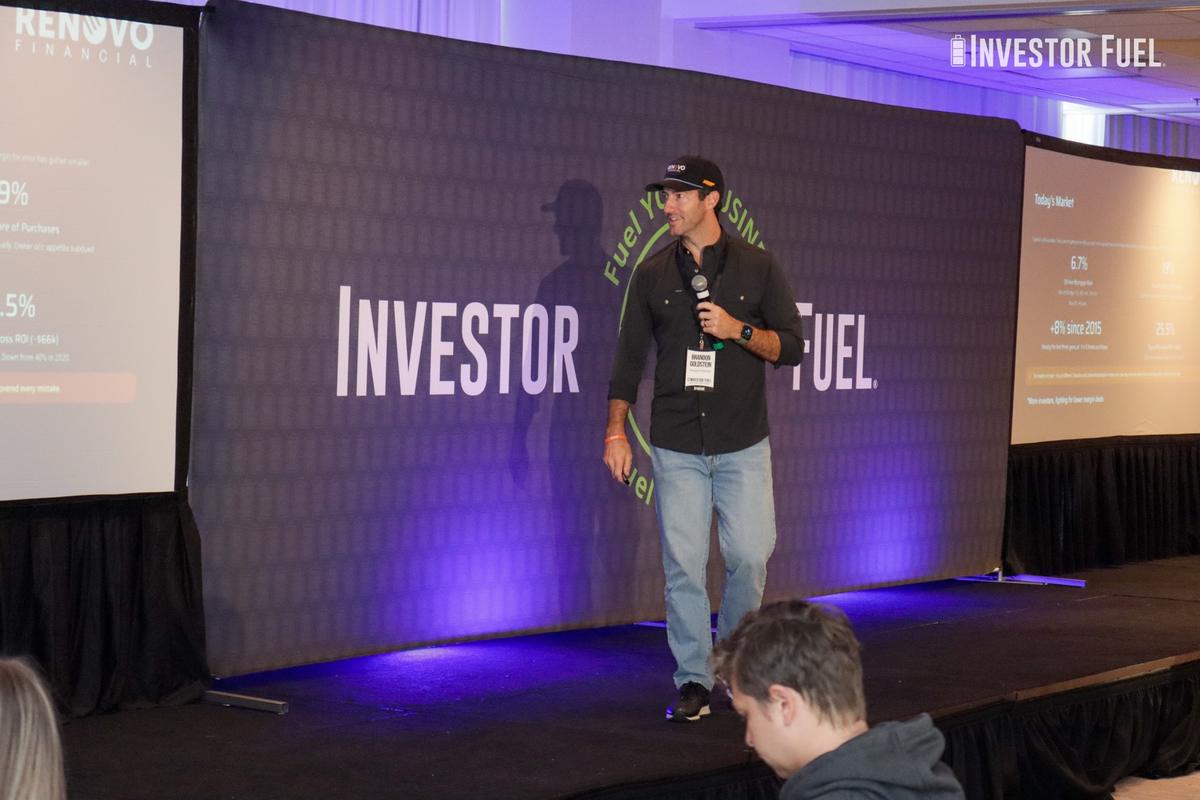
What Investor Fuel looks like
We get together often — in person and virtually. Pick the events that fit you and fit your life. The masterminds are where the work happens. The board meetings are where the accountability happens. The retreats are where the friendships do.
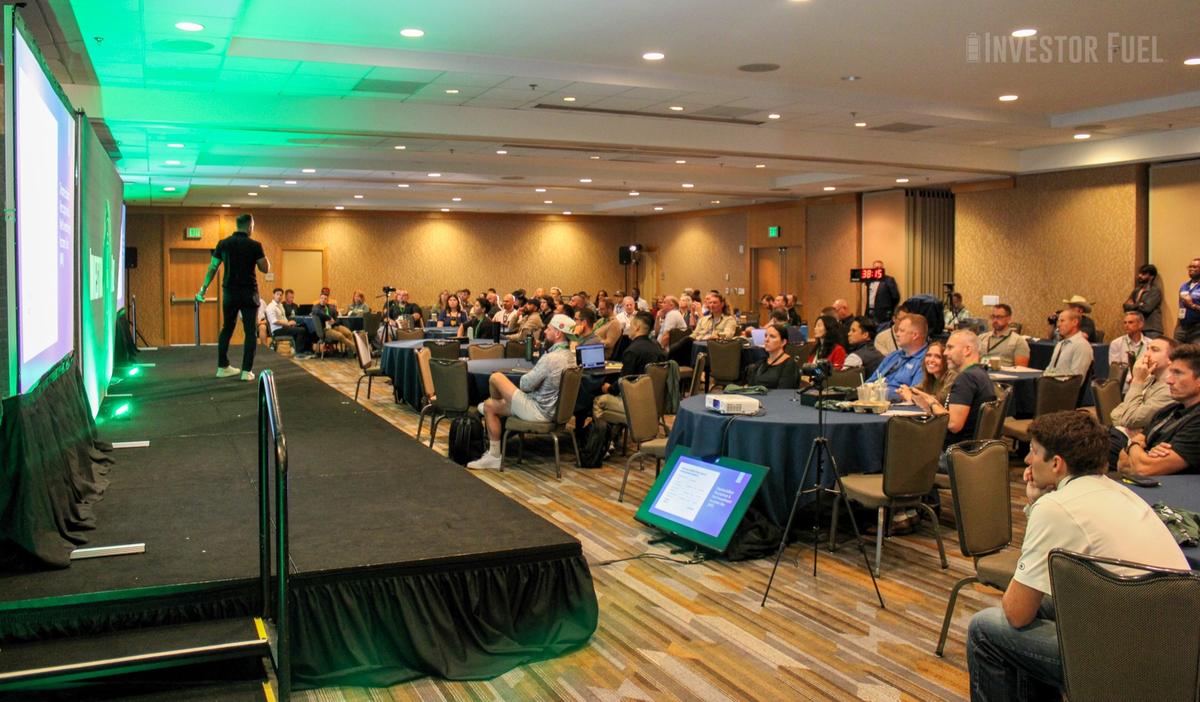
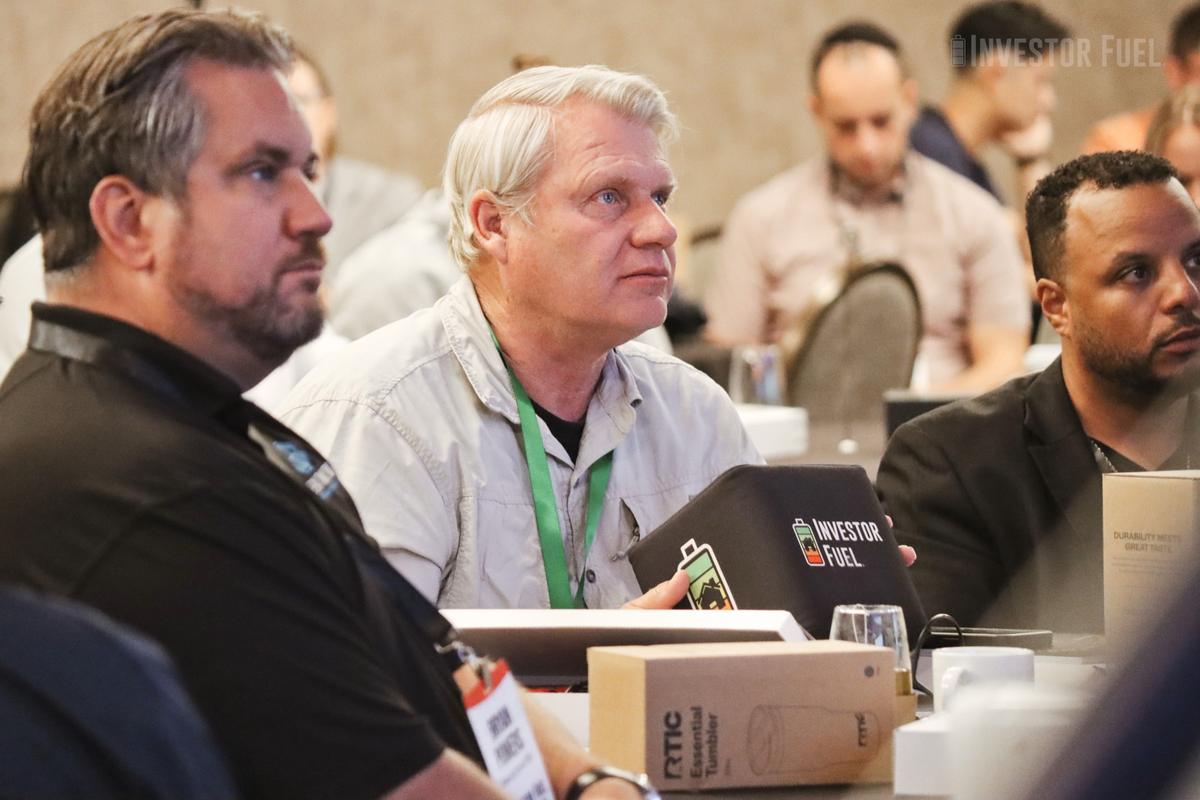
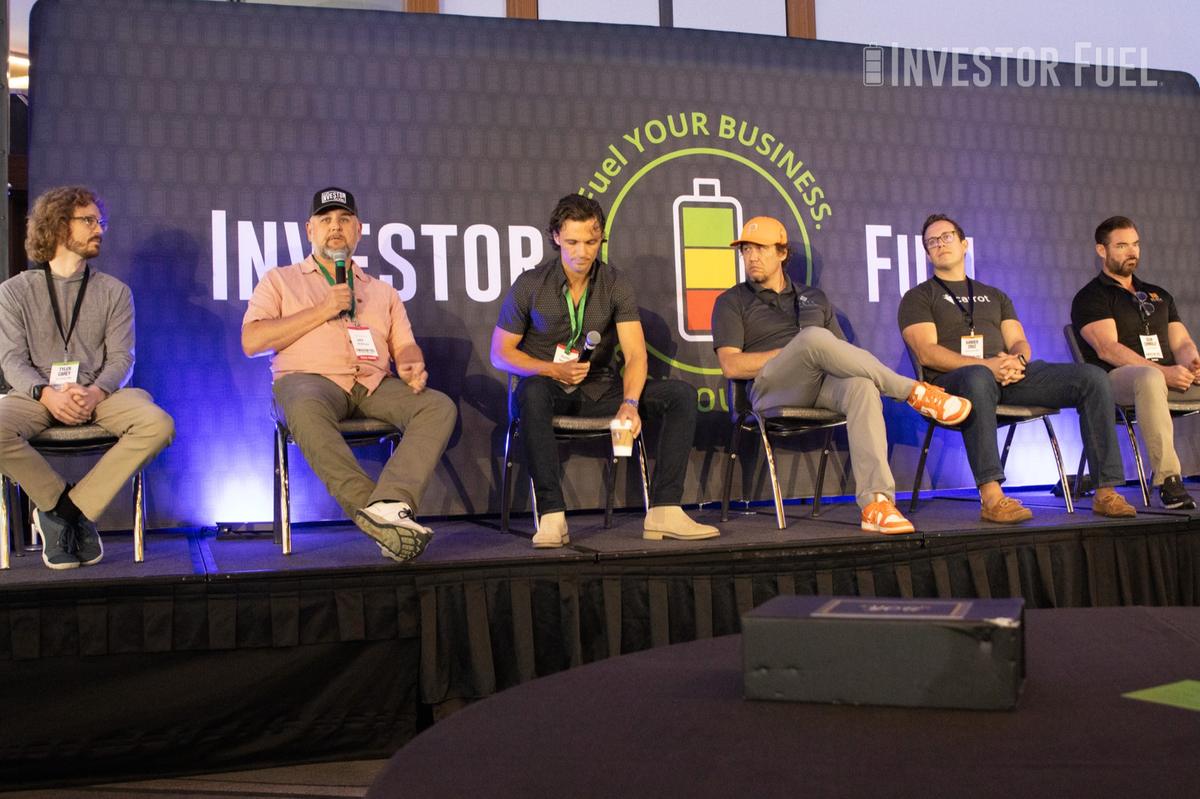
Four in-person masterminds a year
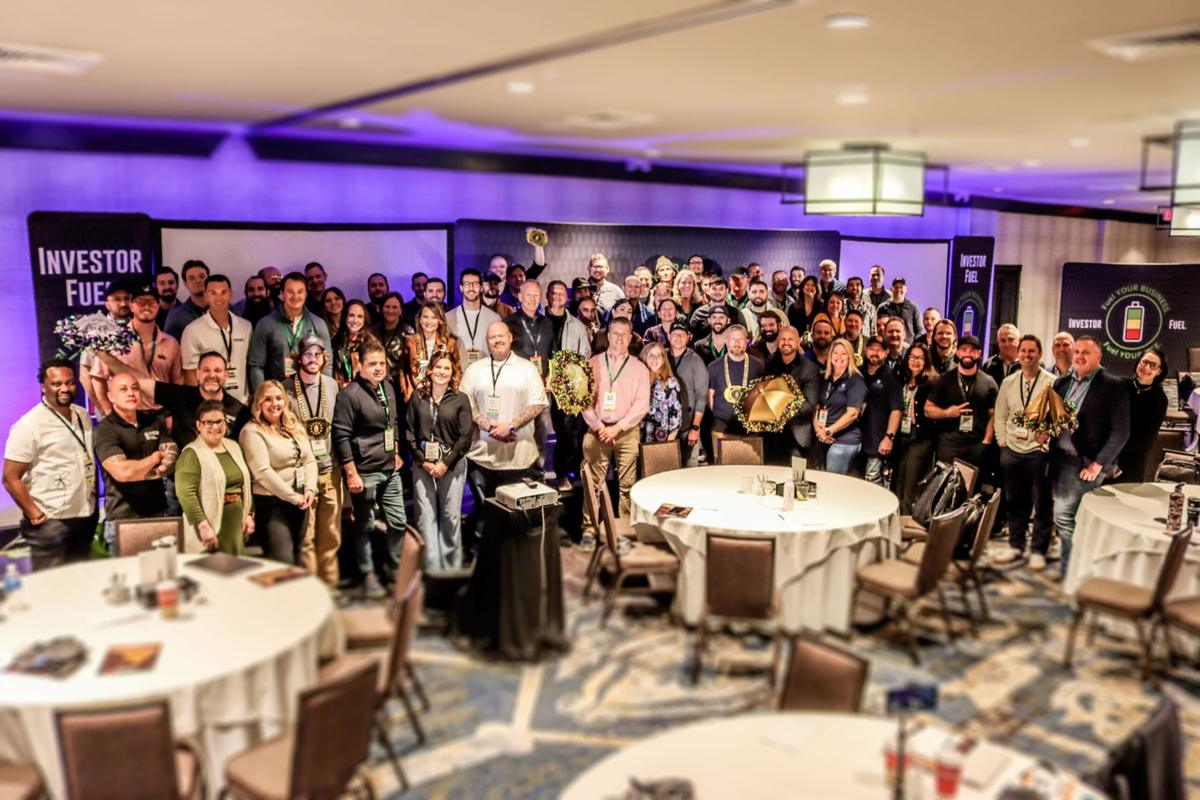
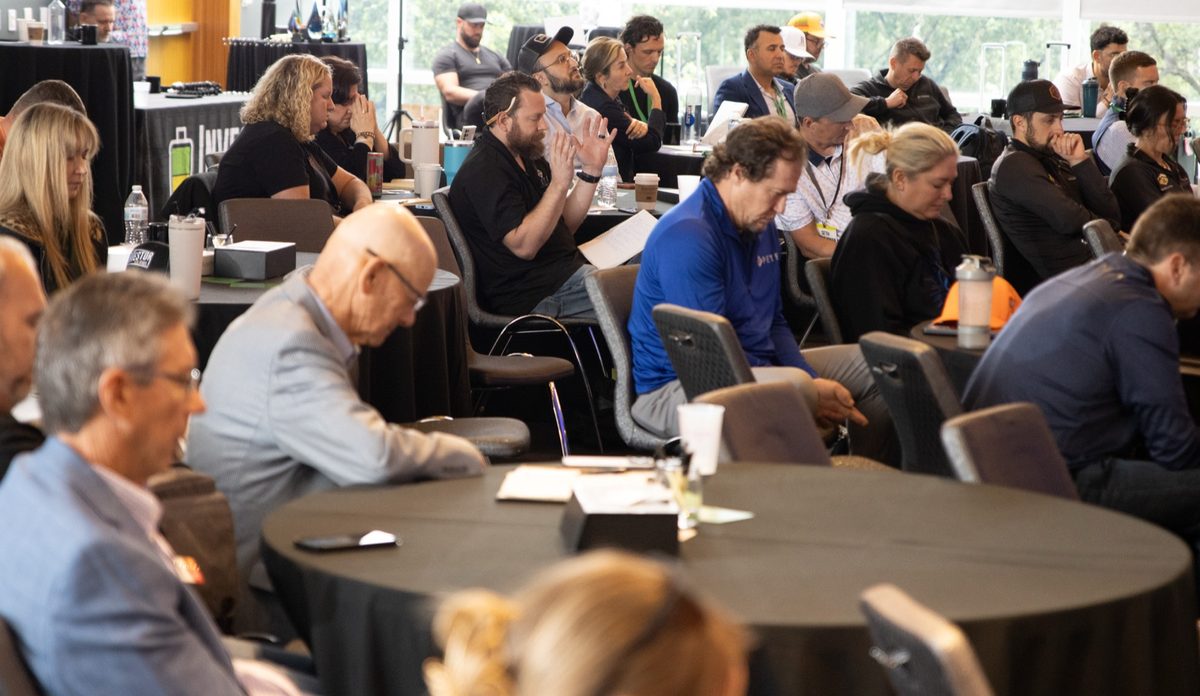
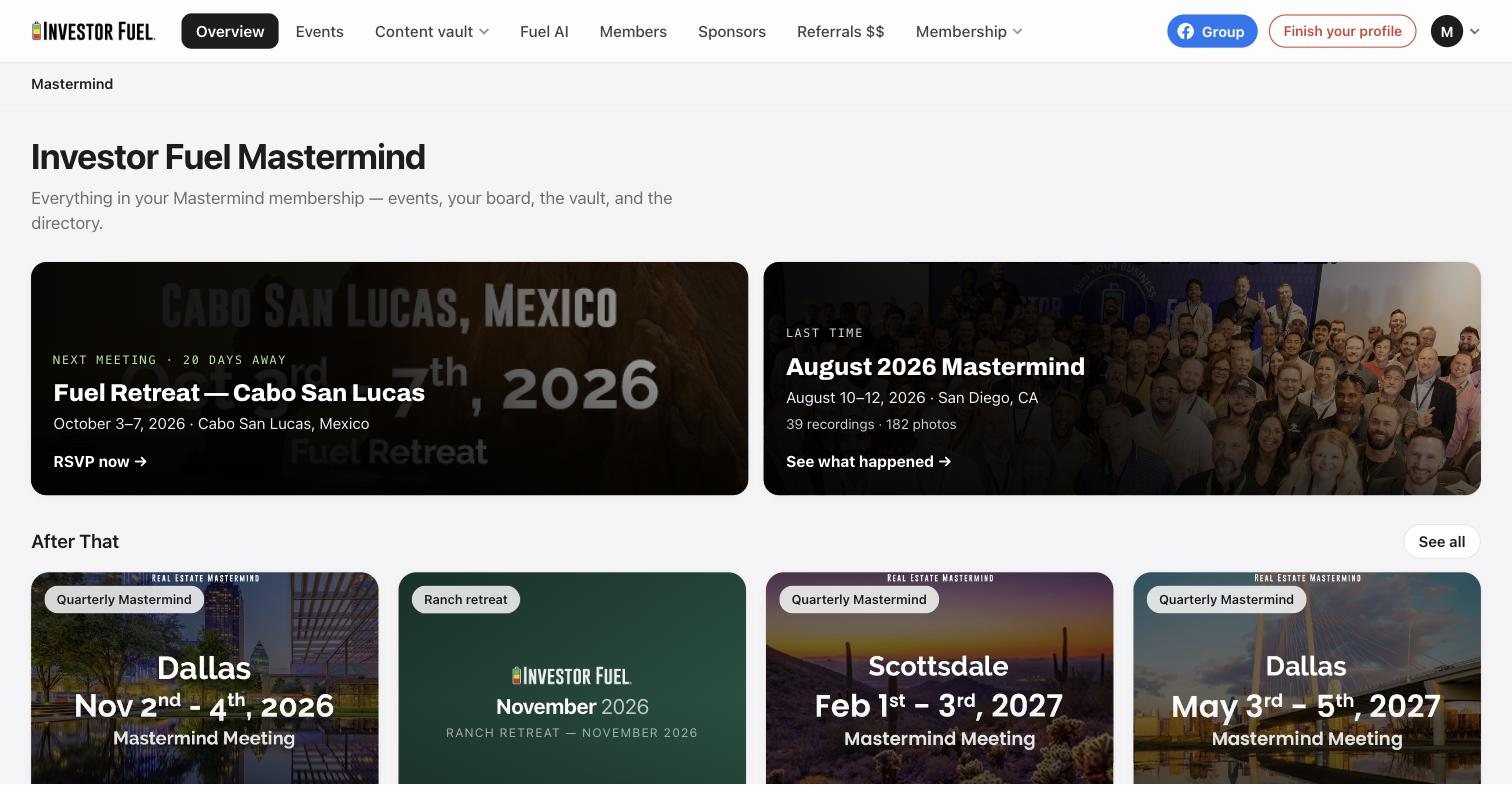
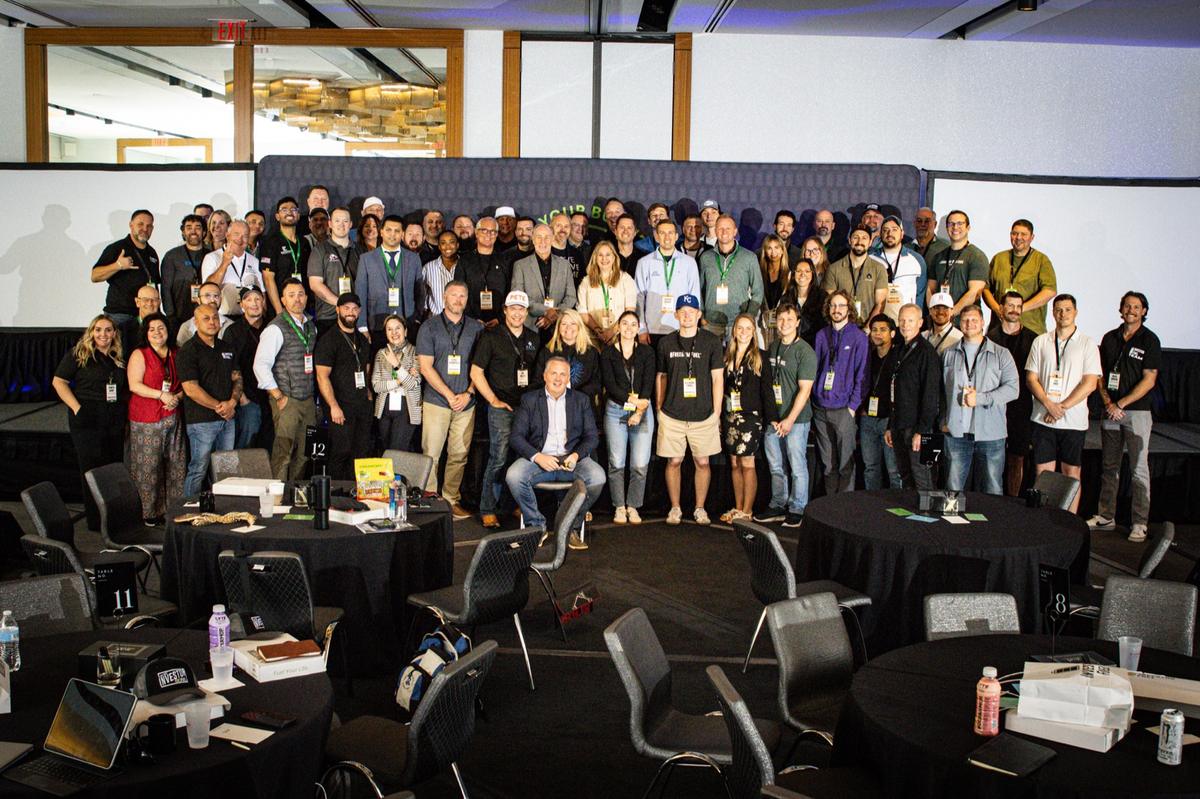
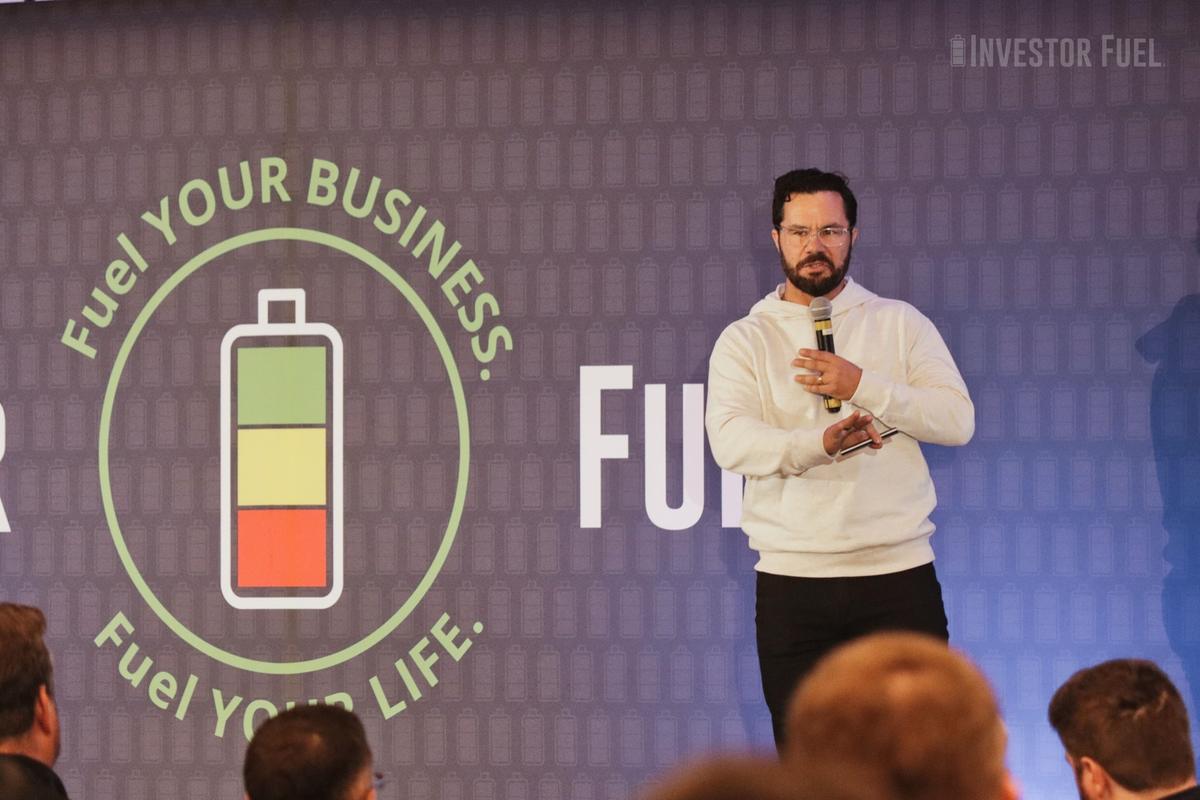
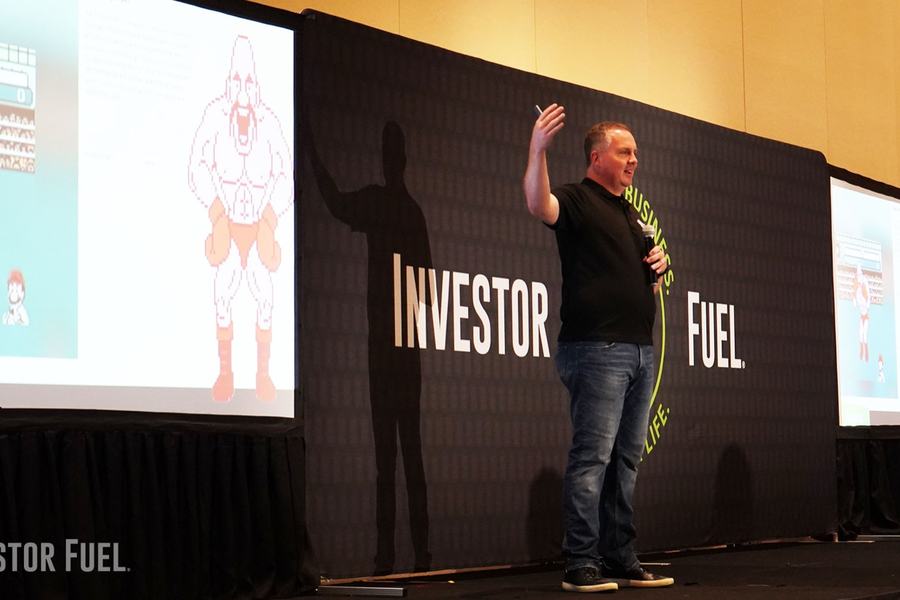
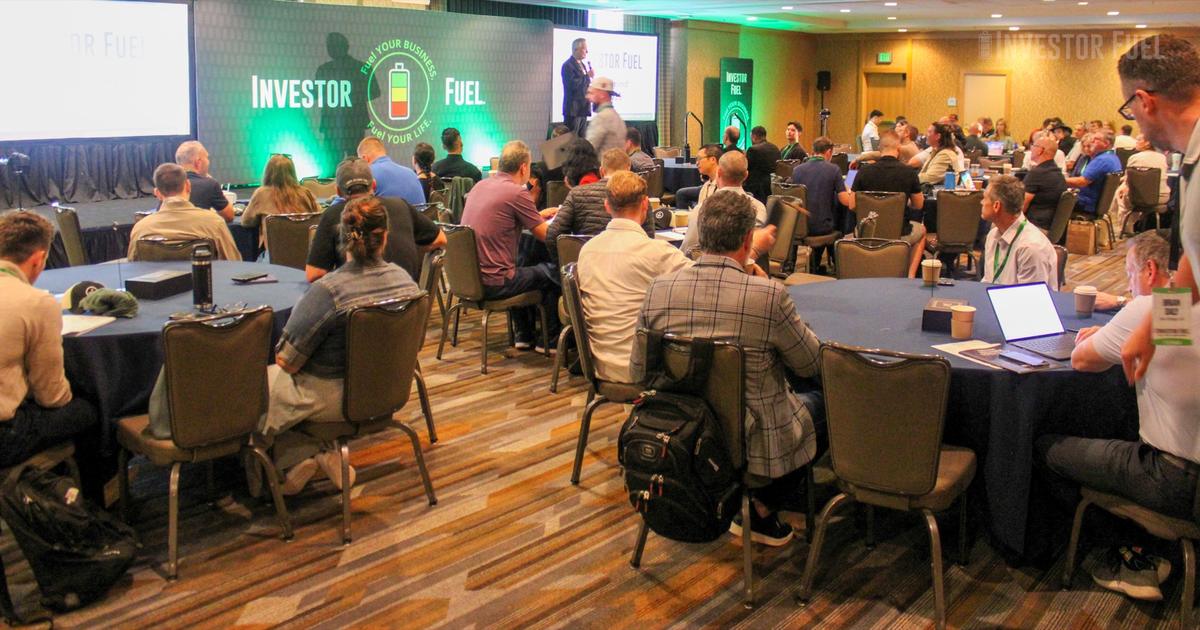
The whole group in one room. Once a quarter you sit down with your peers for long days of real work on your business — hot seats, speakers, breakouts by what you’re facing right now — and the long lunches and dinners where a lot of the best conversations happen. You leave recharged, clearer and playing a bigger game.
Next up: Dallas, Texas.
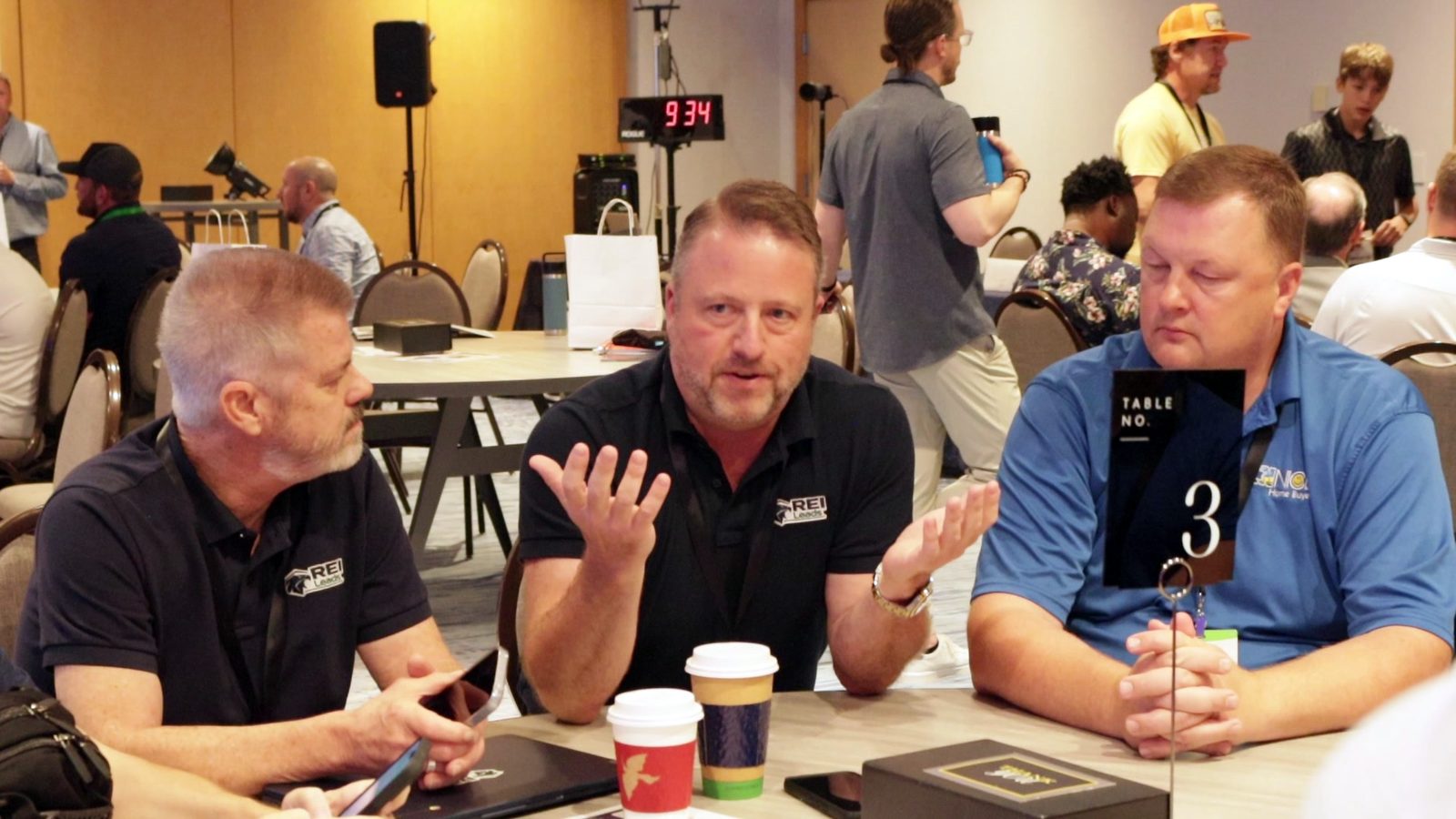
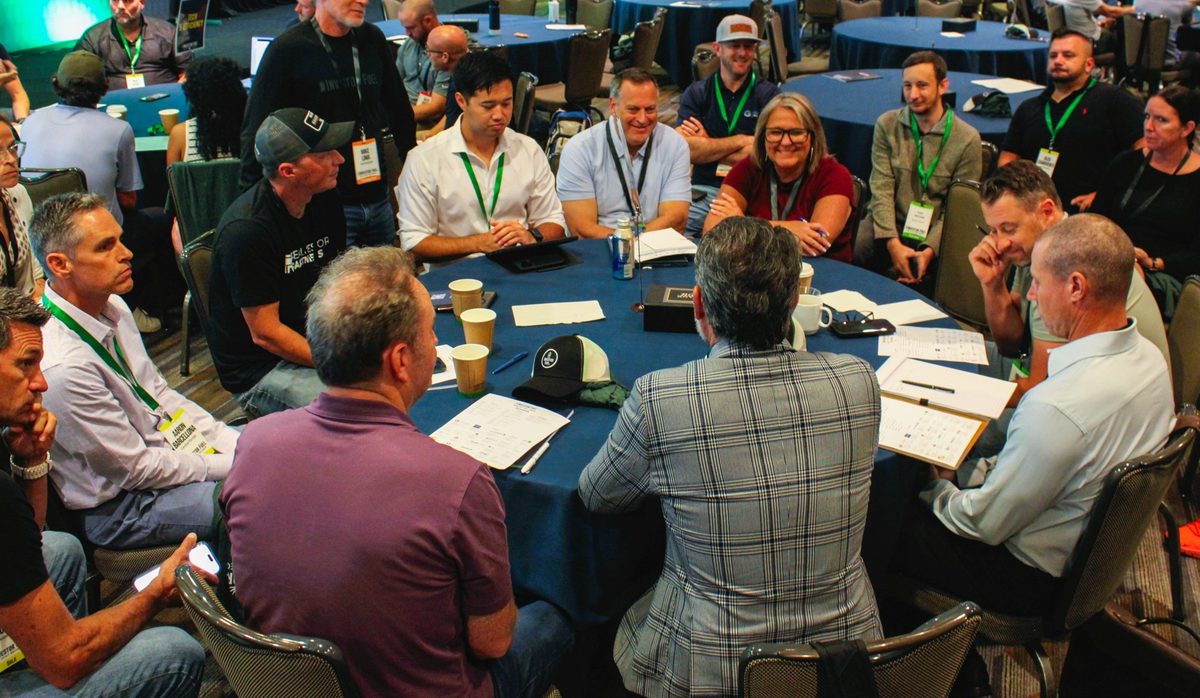
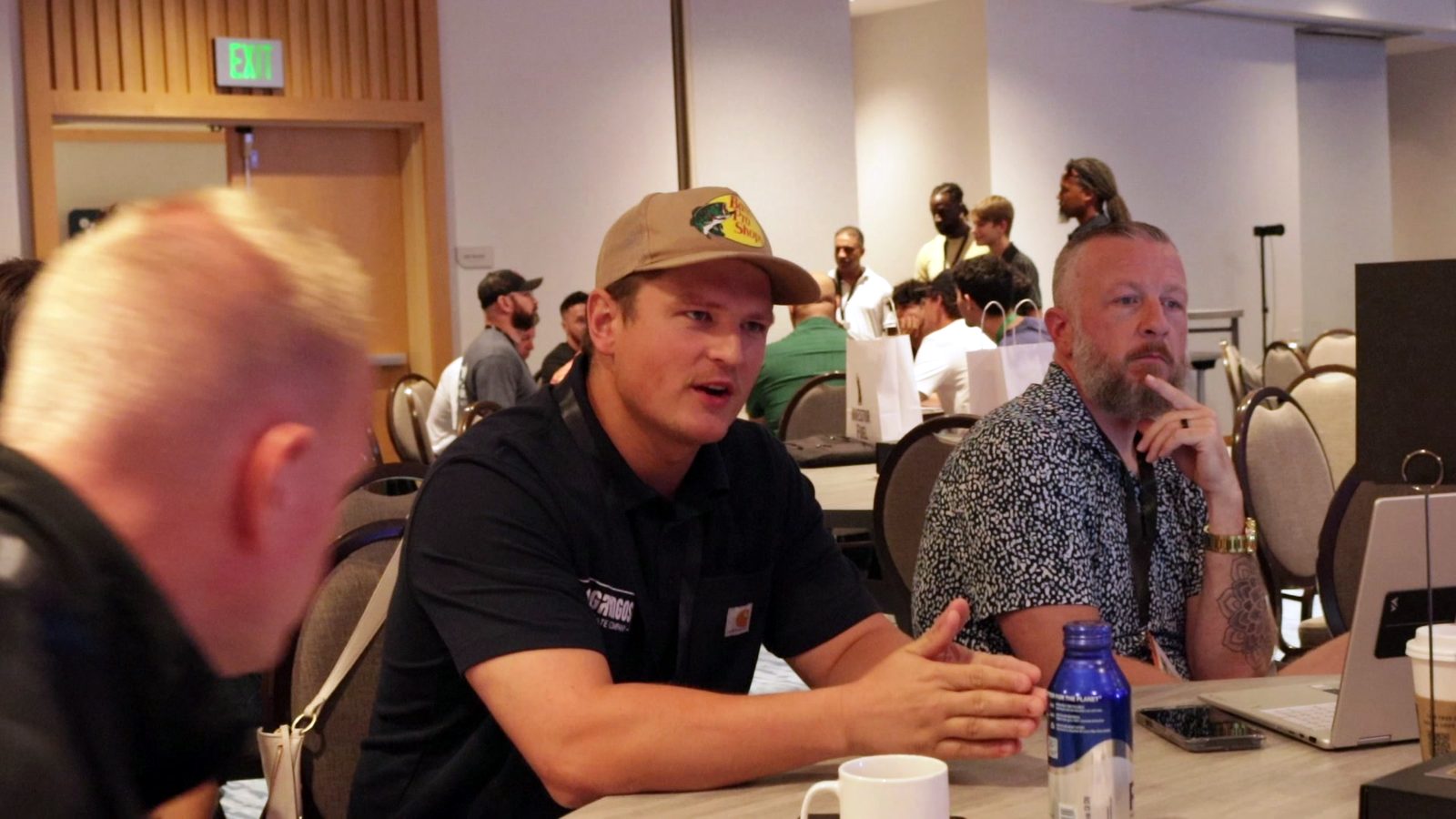
Your board meets every month
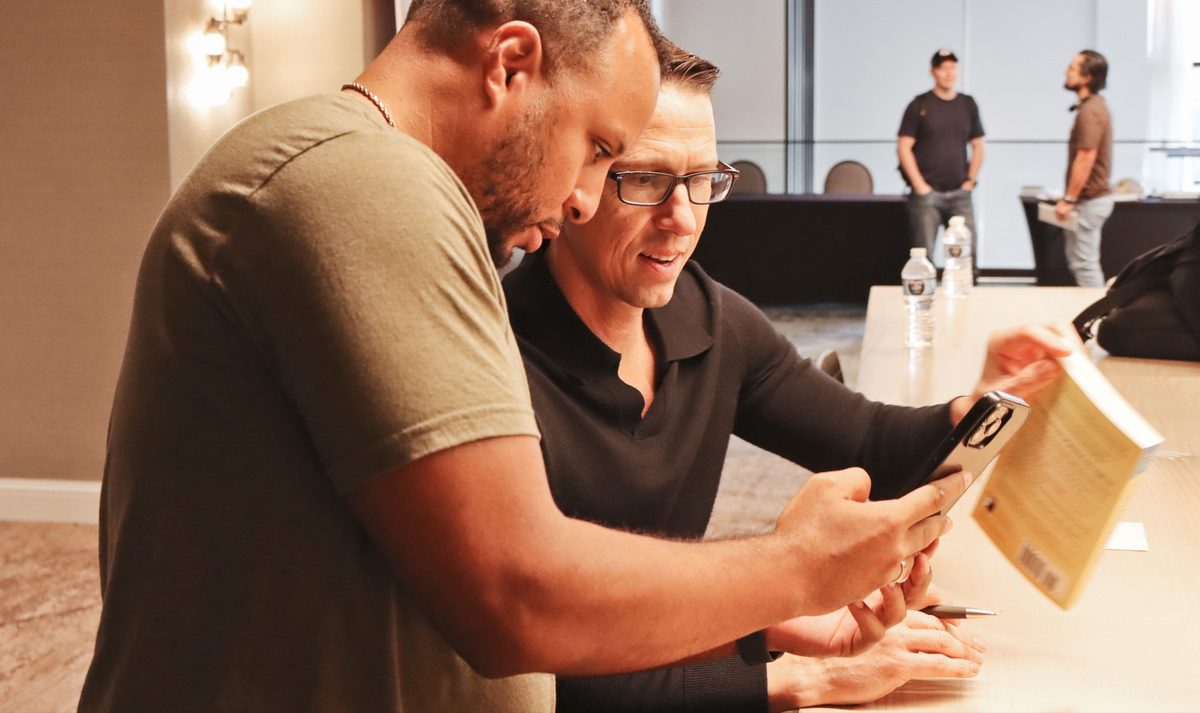
We pair you with a curated group of 10 to 12 members running businesses like yours, and they become your board of directors. We facilitate the meetings. You bring the numbers and the decisions you’re sitting on; they ask the questions your team can’t, hold you accountable to what you said last month and help you get to the next level — all year long, between the events.
 Robert Kiyosaki
 Hal Elrod
 James Lawrence
 Steve Weatherford
Learn from the people who’ve done it
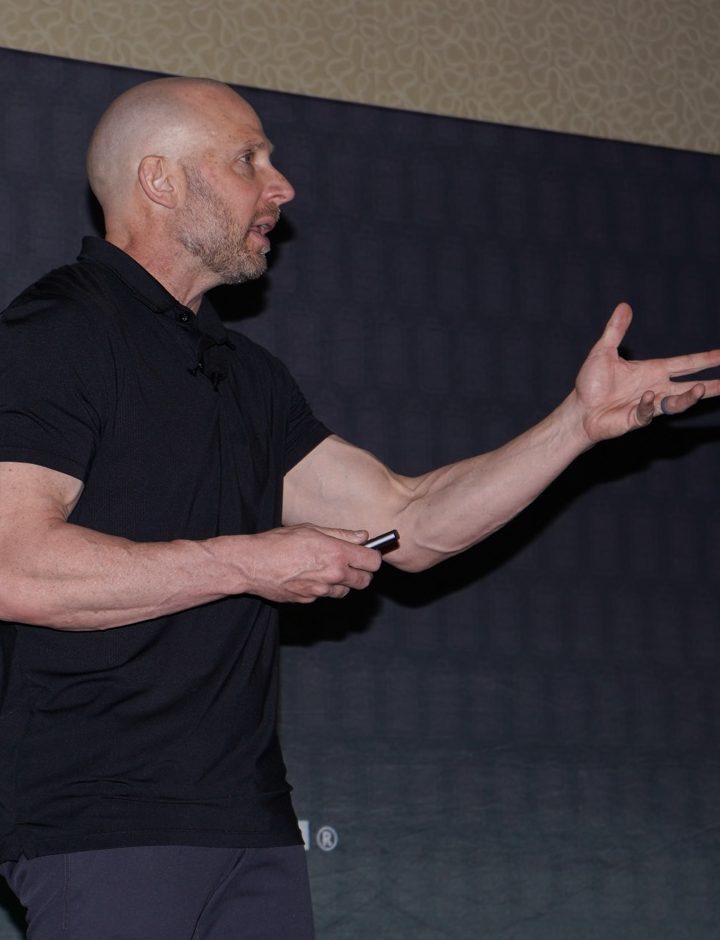
Every week our Executive Speaker Series brings in investors, operators and executives who’ve built at a scale beyond yours to talk about what’s actually working now — marketing, acquisitions, dispositions, capital, teams and operations. Live, with questions, and recorded for the vault when you can’t make it.
Never more than a message away
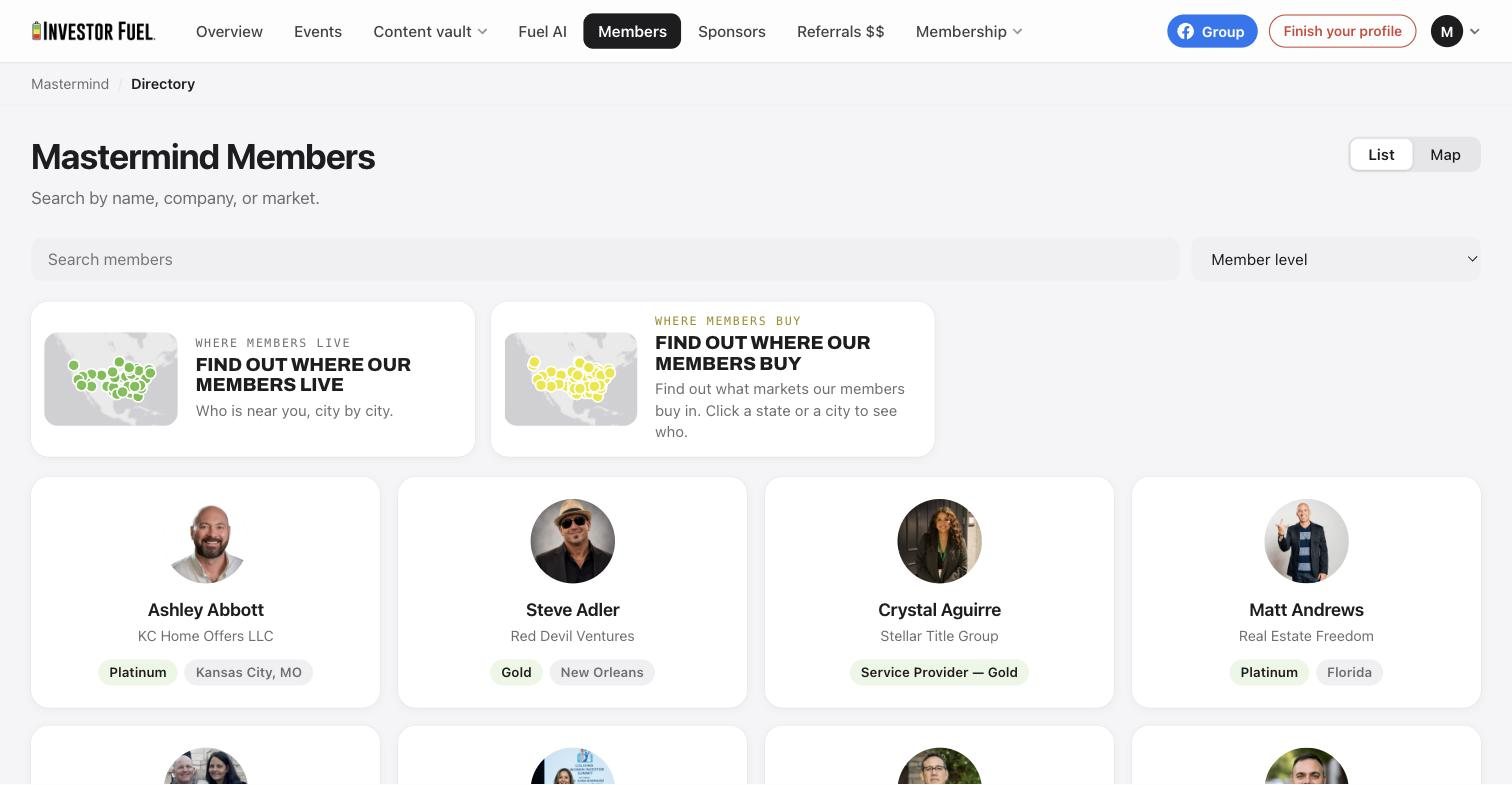
Between meetings you’re never on your own. The Investor Fuel portal puts the full member directory, every recorded hot seat, panel, keynote and online meeting, and Fuel AI — our knowledge base built on hundreds of the top investors in America — in your pocket. Ask a question, get it answered, and help someone else level up.


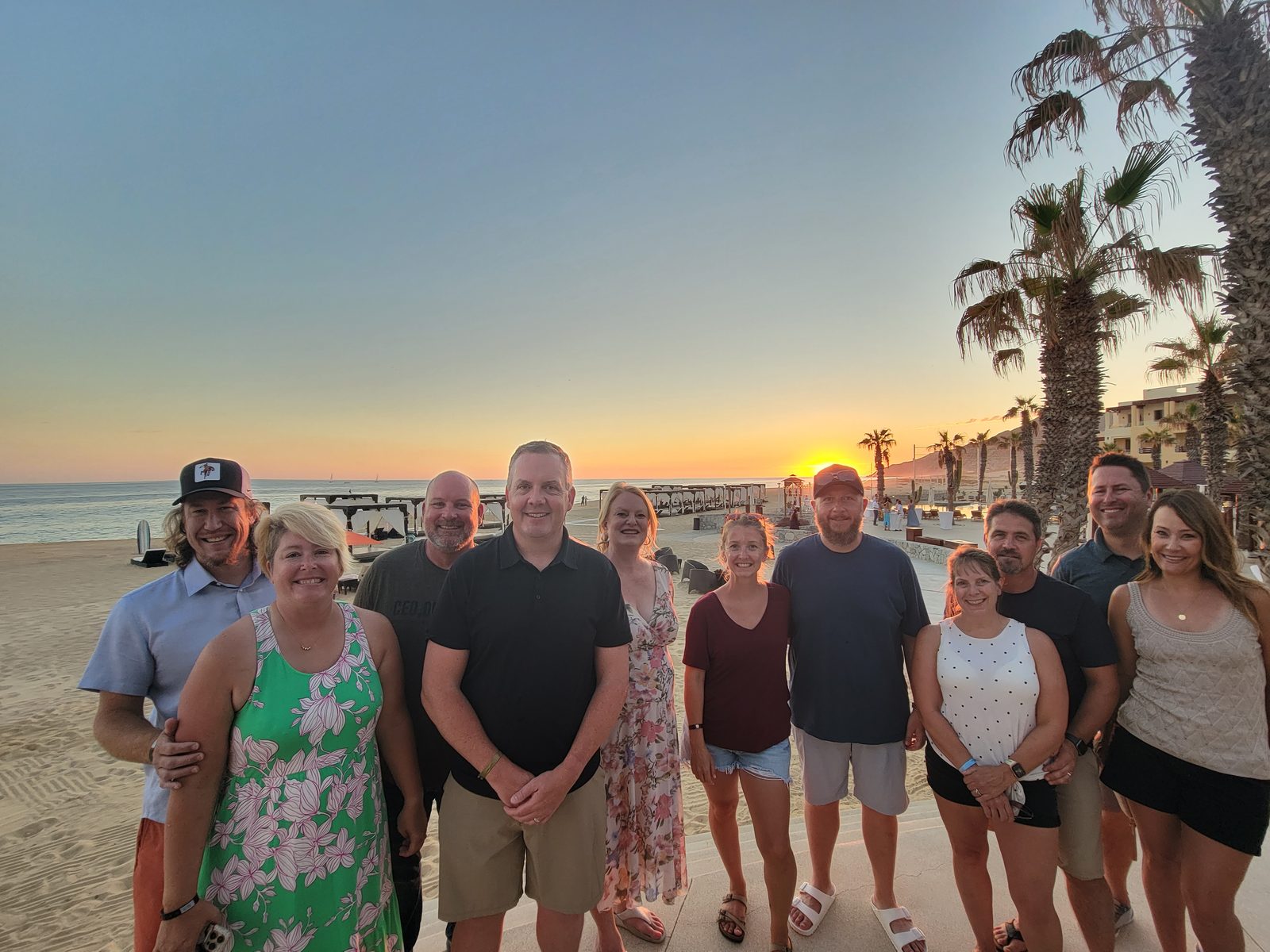

Snowmobiles in Yellowstone. Beers in Munich. A boat in Cabo.
Three or more times a year we take life-changing, memory-making trips with fellow members. Dog sledding in Yellowstone, Oktoberfest in Germany, a week on the water in Cabo. Some are members only. Some are family-friendly. All of them are experiences you’ll talk about for years — and the business gets better because the relationships do.
Two ranch retreats a year
Twice a year we spend two and a half days at Mike Hambright’s ranch, ninety minutes east of Dallas. No hotel ballroom, no stage. A small group, a fire, a grill, and the kind of conversations that don’t happen anywhere else. It’s a unique experience — and it might be exactly what you need.
Membership pays for itself
100% Financing
Through select lenders, on member terms.
Massive Product and Service Discounts
Home Depot Pro Xtra pricing and partners who work with members first.
Fuel OS Operating System Access
Our proprietary system for planning and running a real estate business.
Quarterly and Annual Planning Sessions
Set the number, build the plan, report back to the room.
Four cities a year
Every quarter our members meet for three days — hot seats, keynotes, board meetings and the dinners after. Members have met 35 times since 2018.
Dallas, Texas
Back where Investor Fuel is based. Apply now and this is the room you walk into — your first hot seat, your board, and a plan for the year ahead.
Apply before Dallas- ScottsdaleArizona
- DallasTexas
- San DiegoCalifornia
- DallasTexas
Recent stops

You’re placed with peers at your volume
Hot seats and board meetings are grouped by level, so the advice fits the business you actually have.
Silver
5–9 deals a yearGroup focusBuild the systems and gain clarity to move your business from hobby to a true operation.
Gold
10–50 deals a yearor 10–50 rental doors owned, or under $1M a year in gross profitGroup focusMove from self-employed to business owner.
Platinum
50–100 deals a yearor 50–100 rental doors owned, or $1M–$2M a year in gross profitGroup focusMake the business less dependent on you, and buy back your time for more freedom and flexibility.
Platinum+
100+ deals a yearor 100+ rental doors owned, or more than $2M a year in gross profitGroup focusIncrease the size of your moat: get the right leadership team in place to protect your time and scale for maximum impact and freedom.
Membership qualifications
- You’re an active investor or service provider.One that fits into one of the four groups above.
- You’re ready to level up.Your business, your life, or both.
- You’re a giver.Our culture is built on giving and sharing your knowledge and resources. The more you give, the more you get.
Fit over everything
The Mastermind is for investors and the people who serve them who are already operating and want to be around others doing the same. If you’ve built something real and you’re looking for people who get it, you’ll feel at home here. If that’s not where you are yet, that’s completely fine — apply anyway and we’ll point you to the right place. We’d rather tell you honestly than fill a seat.
Testimonials from members
Since joining Investor Fuel, our team has grown from 2 to 10.Jason Pritchard200+ deals a year
Finally found a place where I can up my game and grow.Xander Cruz150+ deals a year
This is the best room that I’ve been in.Rafael CortezReal estate entrepreneur and coach
We have grown from 50 deals per year to 1,000 since joining Investor Fuel, and would never have done that without Investor Fuel.Scott Pennebaker1,000+ deals a year
I love the community here.Stratton BrownReal estate entrepreneur
Apply to the Investor Fuel Mastermind
Three questions. If you’re a fit, you’ll pick a time for a call on the next screen.
Apply
Three quick questions. You’ll know right away whether the Mastermind is a fit.
Book a call
If you’re a fit, pick a time on the spot. We’ll talk through your business, your level and what membership looks like.
Join the next meeting
Get placed at your level, meet your board, and take your first hot seat at the next quarterly mastermind.